Desalpar GunthliThe Fortified Harappan Outpost
A Bronze Age marvel in Nakhatrana Taluka — massive stone fortification walls, ancient drainage systems, and pottery shards that whisper of a civilization 4,000 years old.
Overview
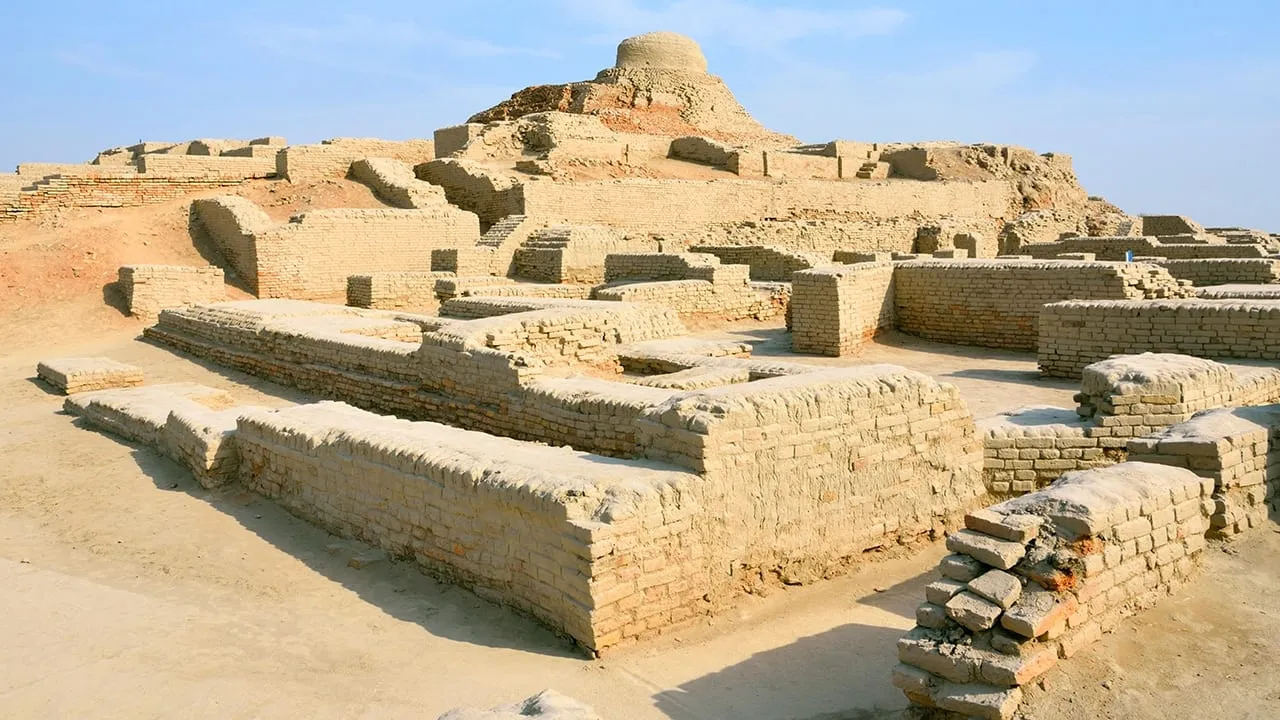
Desalpar Gunthli (or Gunthli) is a massive fortified Harappan settlement in Nakhatrana Taluka. Often overshadowed by the fame of Dholavira, this site is historically significant as a strategic trading outpost with massive stone fortifications still visible today. It sits on the banks of the Bamu-Chela stream — a Bronze Age citadel guarding trade routes 4,000 years ago.
Unlike Dholavira, Desalpar is not a ticketed tourist site, which adds to its 'hidden' charm. It is an open archaeological mound near Gunthli village, free to explore — though a local guide is strongly recommended to appreciate the full significance of what you're seeing.
Historical Significance
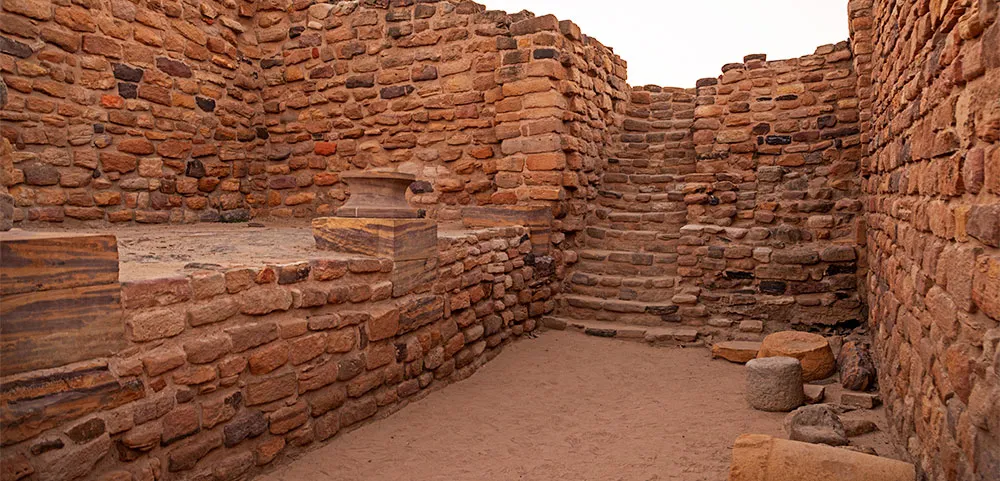
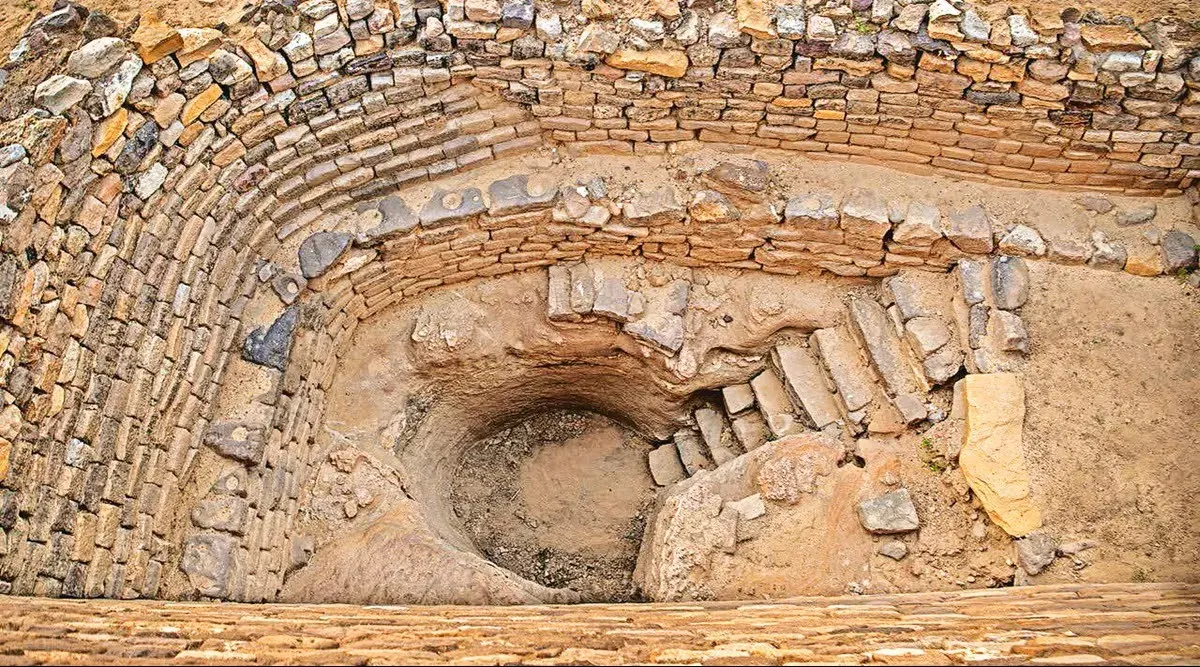
Excavations in the 1960s revealed a well-planned citadel with walls up to 4 metres thick. Key discoveries include a unique copper seal, distinct 'reserved slip ware' pottery (rare at other Kutch sites), and evidence of trade with contemporary civilizations. The site represents the extraordinary reach and sophistication of the Indus Valley Civilization.
The discovery of a unique copper seal here places Desalpar in the same league as major Harappan urban centres — yet it remains almost unknown to visitors.
What to See
Important Advisories
- • Do NOT take any pottery shards or stones from the protected site.
- • No facilities at site — carry water and food; visit early morning to avoid heat.
- • Respect the local Gunthli village community and culture.
- • Open-air site with no shade — wear sun protection and carry plenty of water.
- • Approach roads can be narrow — drive carefully.
Gallery
Echoes of a civilization 4,000 years old
Remains of the massive stone walls
The archaeological mound of Desalpar Gunthli
The Nakhatrana landscape — Kutch's ancient heartland