The Chronicle of Kutch
From the advanced urban planning of the Indus Valley to the maritime glory of the Jadeja dynasty — explore the resilient soul of a land shaped by salt, sea, and the indomitable Kutchi spirit.
The Land & Roots
Geography & Early Settlement
Kutch is historically an island, isolated by the Great Rann of Kutch to the north, the Little Rann to the east, and the Arabian Sea to the south. This geographical isolation fostered a distinct cultural identity (*Kutchdo*)—resilient, self-reliant, and maritime-focused.
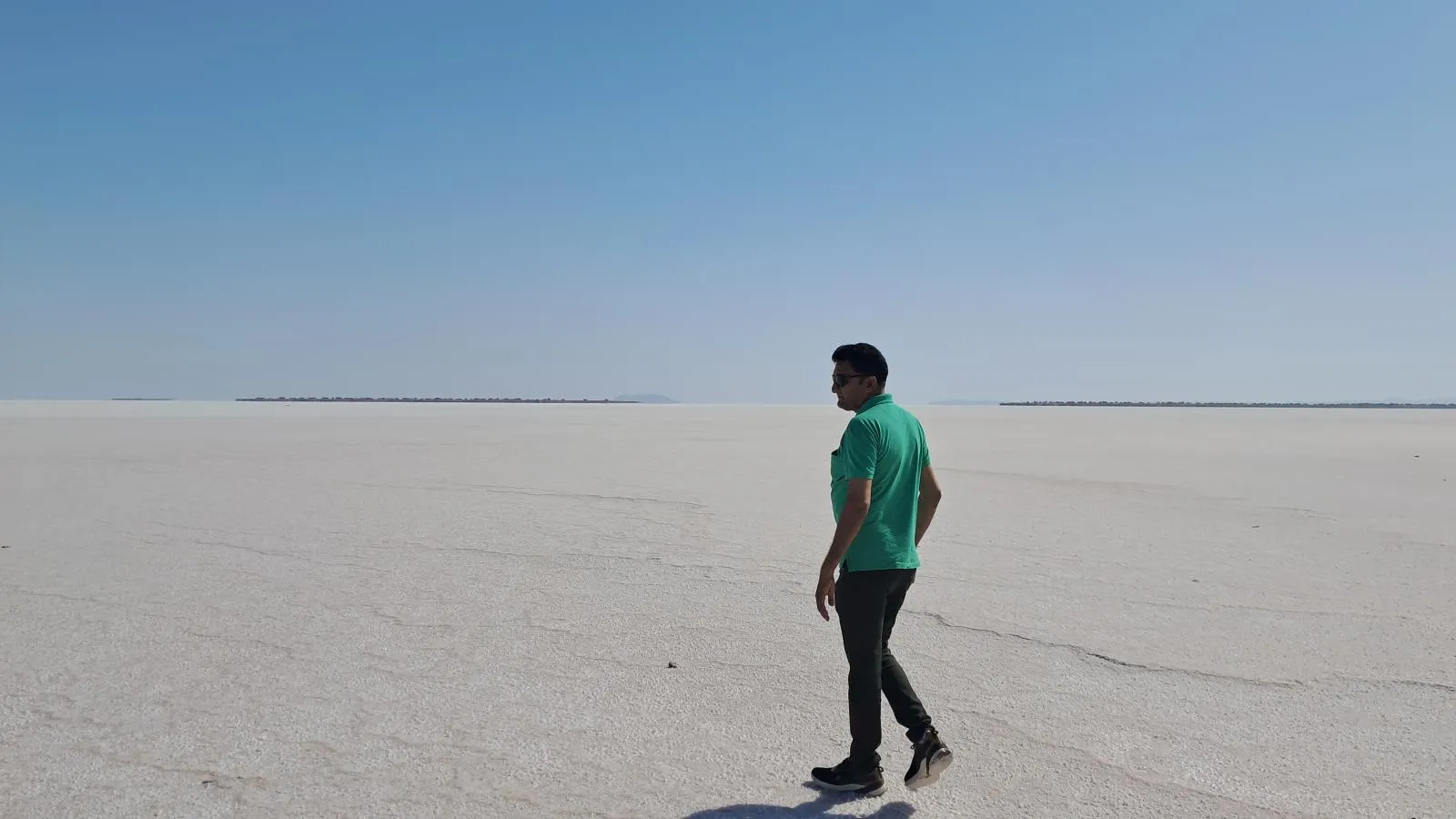
The vast salt marshes of the **Rann**, once a navigable sea, significantly influenced settlement patterns. Early communities settled on the rocky outcrops and "islands" like **Khadir Bet** and **Pachcham**, adapting to an arid environment where water was as precious as gold.
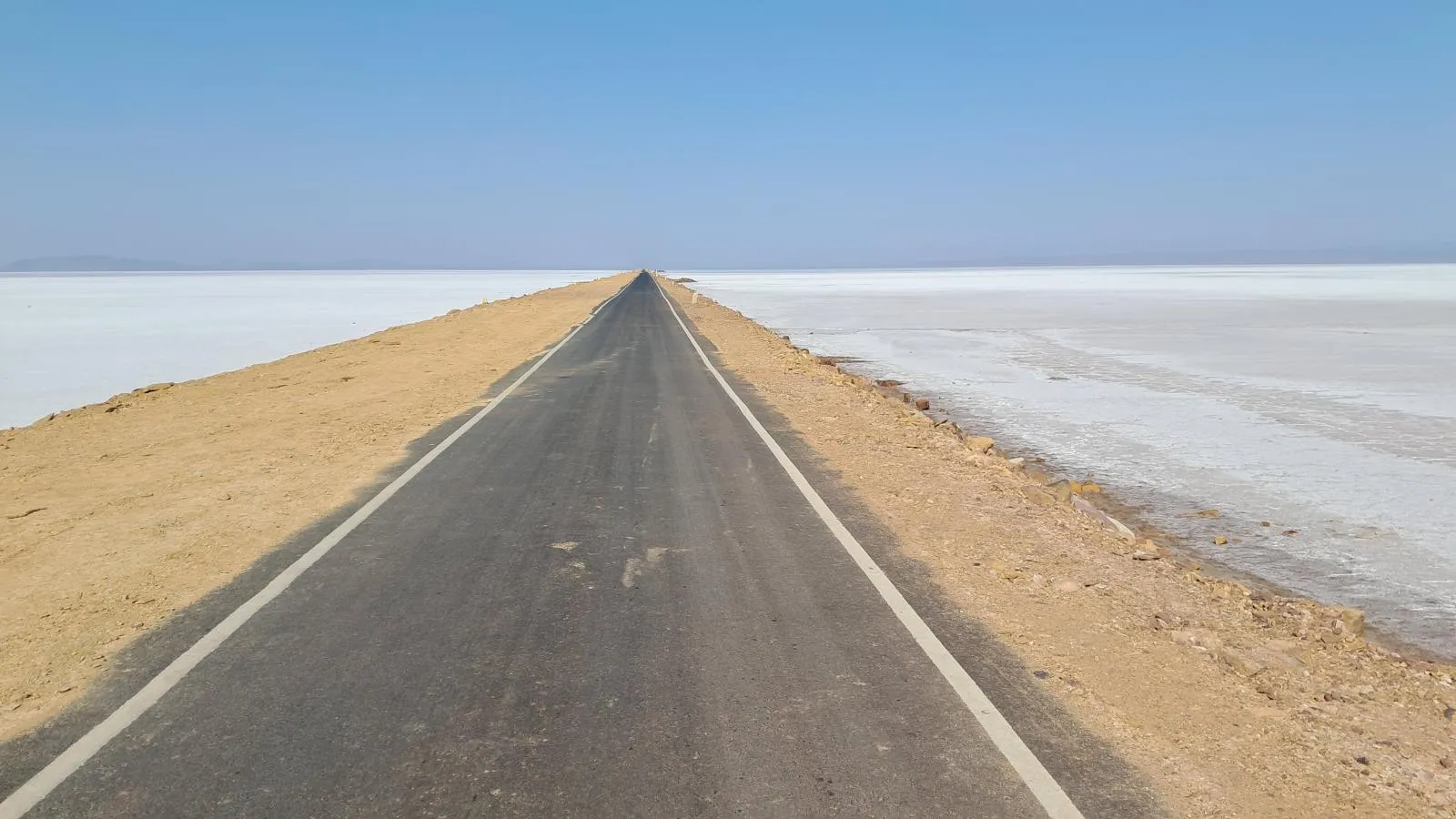
"Kutch nahi dekha to kuch nahi dekha."
Kutch in 1880: A Land Unlike Any Other
When James M. Campbell compiled the Bombay Presidency Gazetteer in 1880, he described Kutch not merely as a district or princely state, but as a unique world of its own — surrounded by the Arabian Sea, the Great Rann and the Little Rann, standing apart from the rest of India in geography, climate, culture and character.
To nineteenth-century travellers approaching from Gujarat or Sindh, Kutch appeared almost like an island. During the monsoon, large portions of the Rann filled with water, isolating the region and reinforcing its distinctive identity. The Gazetteer repeatedly emphasizes that few places in India possessed such unusual natural boundaries.
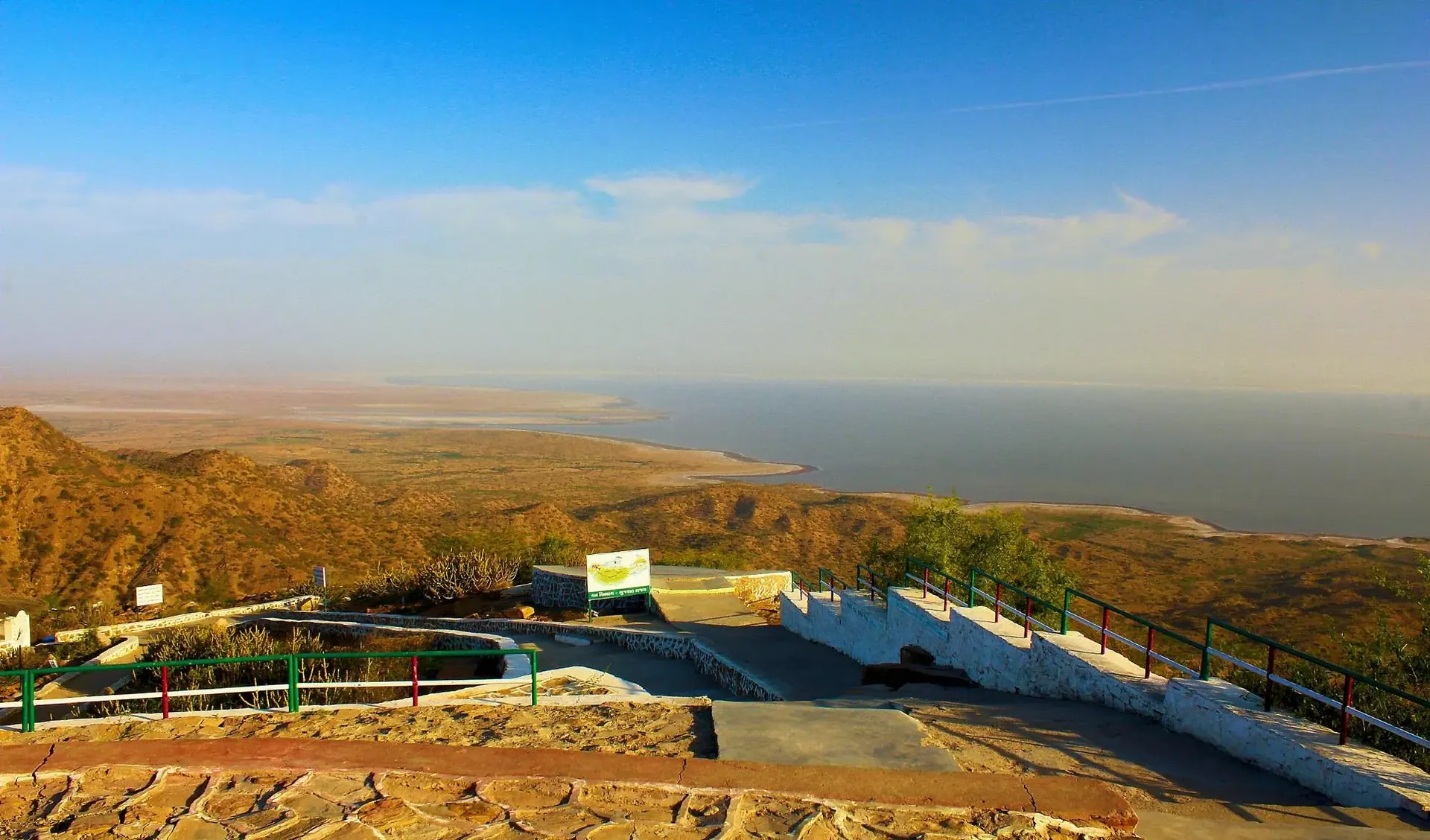
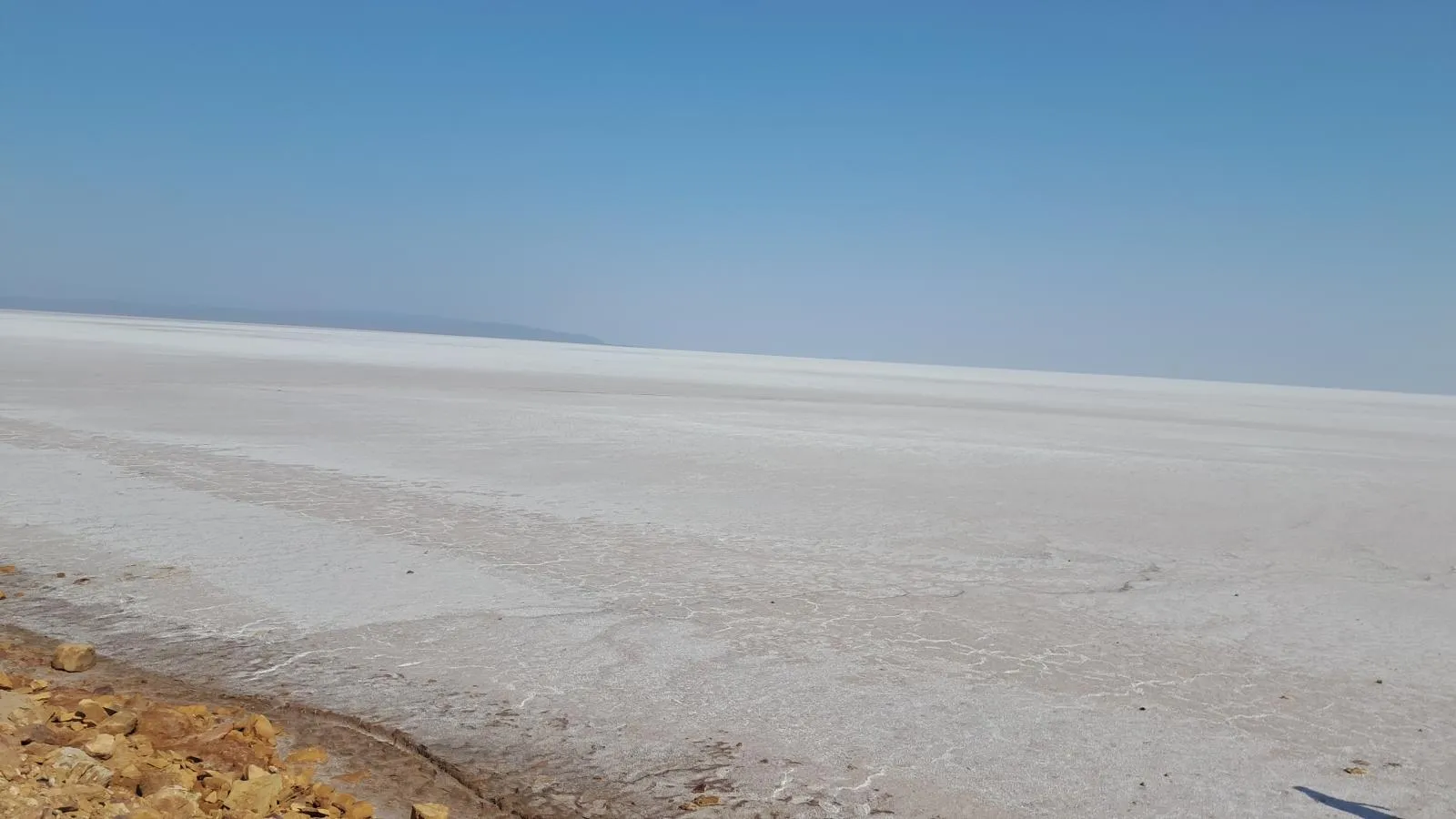
Vast white salt deserts stretched across the north and east, while rocky hills rose above fertile plains and grasslands. The Black Hills, Kalo Dungar, Bhujia Hill and numerous smaller ridges provided dramatic views over the surrounding countryside. Campbell believed the Great Rann was once part of the sea, gradually transformed by geological change into the strange landscape seen in his time — an endless white expanse in the dry months, a shallow sea during the rains.
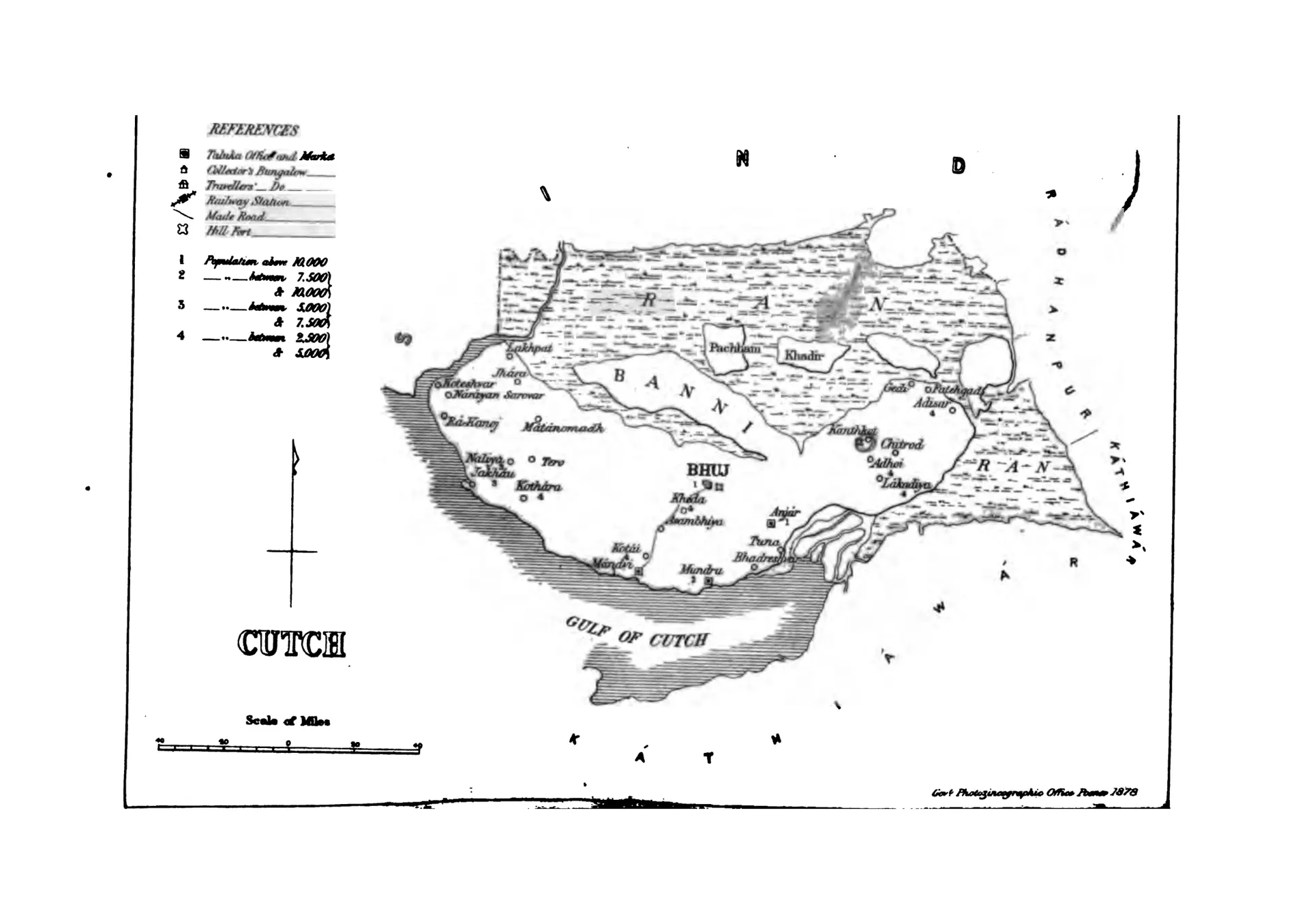
A map of Kutch as it was charted around 1880
A Harsh Climate, A Resilient People
Rainfall was uncertain and highly variable — some years brought abundant rain and prosperity, others drought, crop failures and hardship. Yet Campbell observed that these very challenges produced a remarkably resilient population. Unlike regions blessed with perennial rivers and fertile soils, Kutchis became traders, sailors, herdsmen and entrepreneurs, developing skills that let them prosper far beyond the borders of their homeland.
Water: The Most Precious Resource
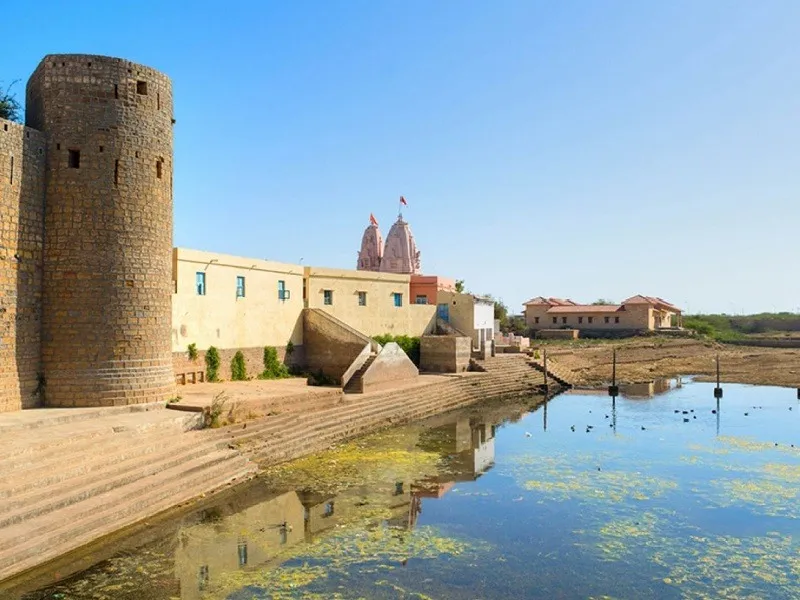
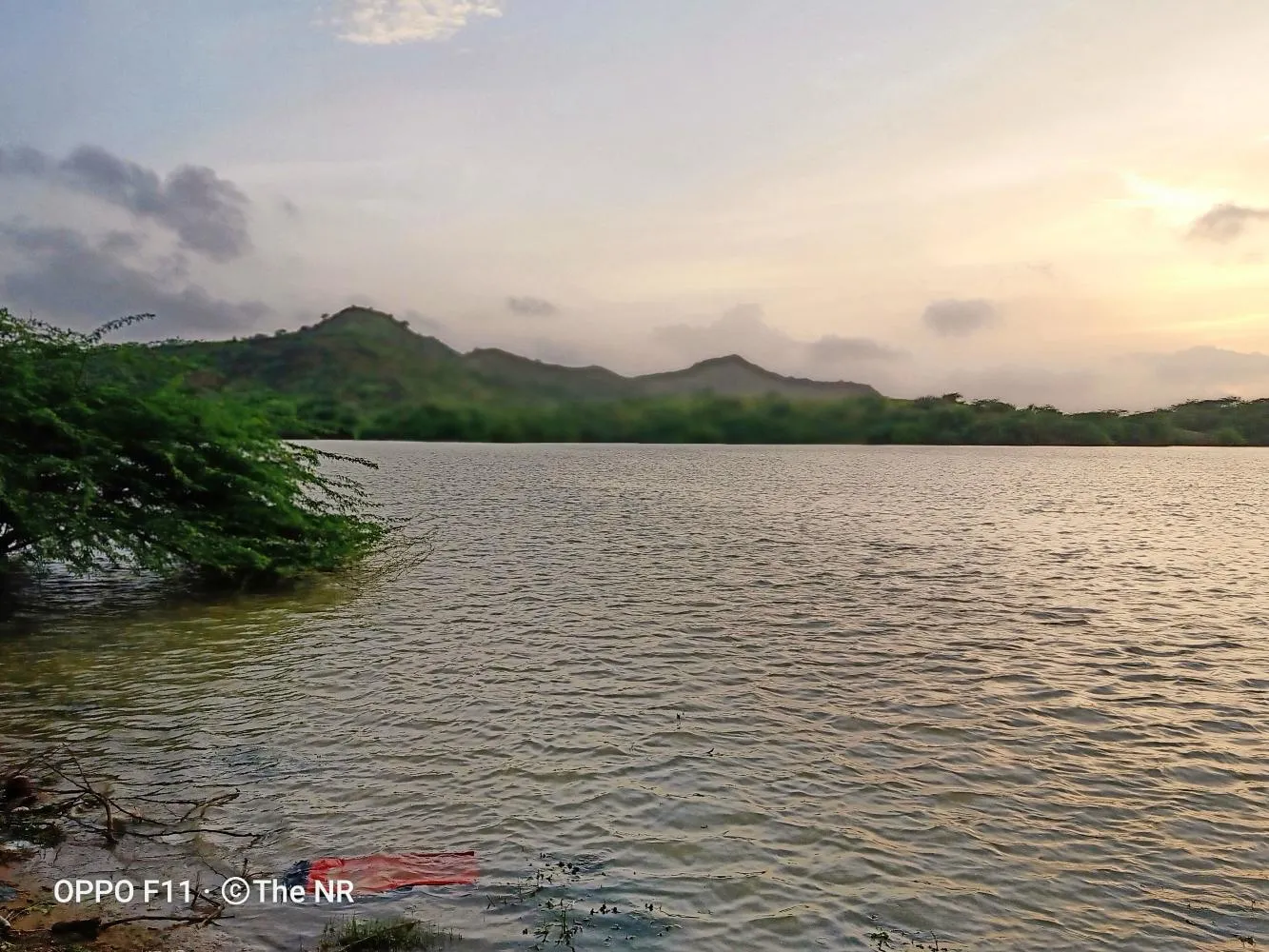
In nineteenth-century Kutch, water determined prosperity. Villages depended upon wells, tanks, reservoirs and seasonal streams, while lakes such as Hamirsar in Bhuj, Pragsar and Narayan Sarovar were essential sources of life. A successful monsoon filled reservoirs and flourished grazing lands; a failed one could trigger migration, debt and famine. Long before modern water-management techniques existed, the people of Kutch had become experts at conserving every drop.
The Story of the Indus and Lakhpat
For centuries, branches of the mighty Indus River flowed towards Kutch through the Kori Creek region, irrigating fertile rice fields around Lakhpat and supporting navigation and trade. The first major blow came after the Battle of Jhara in 1764, when Ghulam Shah of Sindh built embankments across the Kori channel, sharply reducing the water reaching Kutch. A second dam at Ali Bandar in 1802 nearly stopped the flow altogether — rice fields dried up, channels filled with mud, and once-productive land turned to wasteland.
Then came the great earthquake of 1819, which dramatically reshaped the landscape and created the famous Allah Bund, or "Dam of God." Ironically, a major flood in 1826 briefly broke through the barriers, cleared accumulated silt and let large boats reach Lakhpat once again — and for a few years trade revived. But as upstream dams were rebuilt, the water declined once more, and the prosperity of Lakhpat faded — a vivid demonstration of how closely the fortunes of Kutch depended upon water.
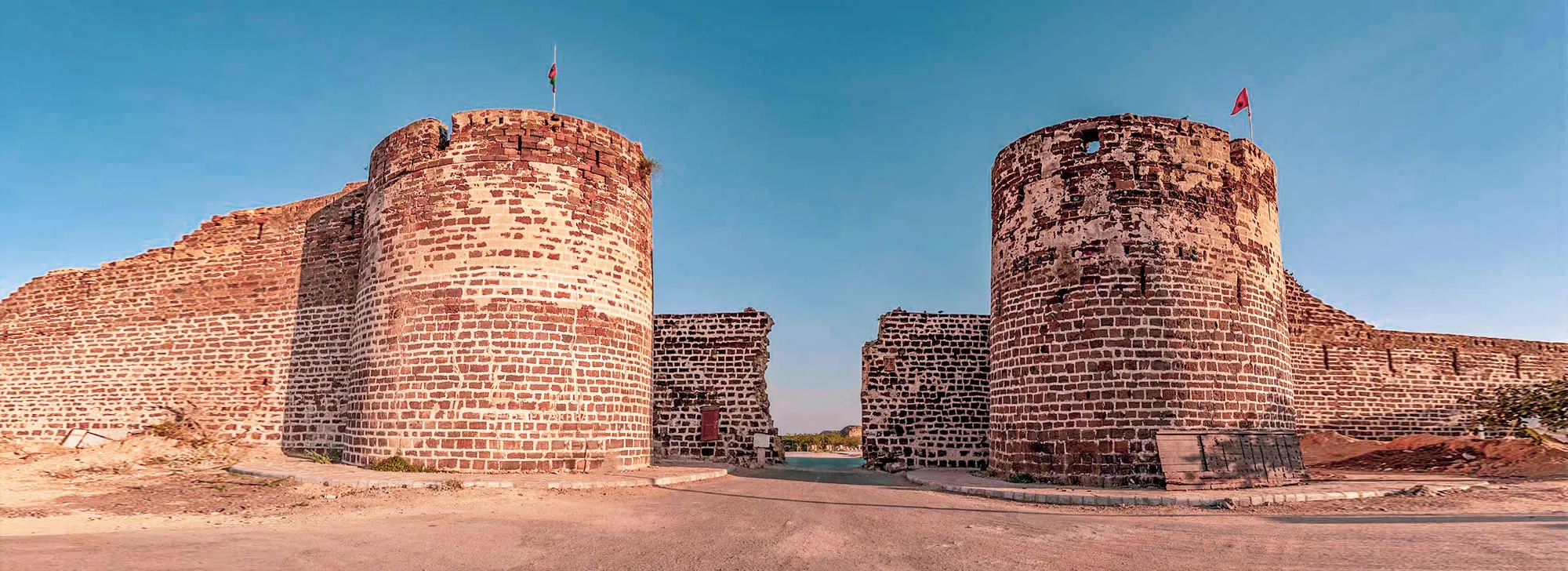
Lakhpat — once a gateway to the Arabian Sea, now a silent testament to lost rivers.
Bhuj: The Capital of Kutch
At the heart of Kutch stood Bhuj. Nestled beneath Bhujia Hill, the city served as the political, administrative and cultural centre of the state — protected by walls and dominated by Bhujia Fort, a symbol of Jadeja power. Its lifeline was Hamirsar Lake, more than a water source: the centre of civic life, and a defining landmark of Bhuj even today.
In Campbell's time, Bhuj contained royal palaces, administrative offices, markets, temples, mosques and residential quarters representing the diverse communities of Kutch. Merchants, craftsmen, officials and travellers filled its streets, making it the most important urban centre in the region.
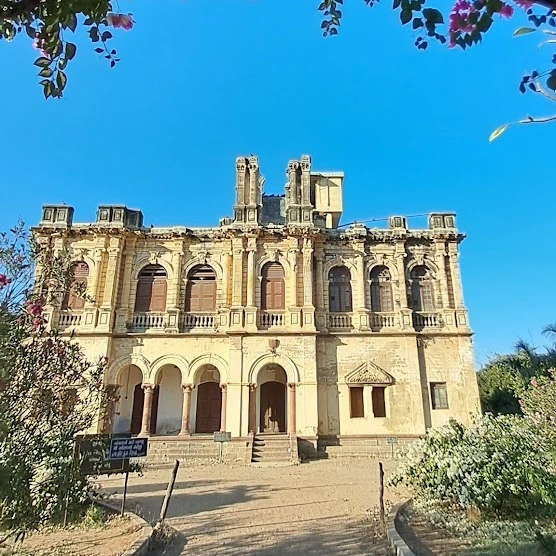
The lifeline of Bhuj — Hamirsar Lake, heart of the city's civic life.
A Resourceful People
Campbell portrays Kutchis as energetic, resourceful and independent — Jadeja Rajputs, Brahmins, Lohanas, Bhatias, Banias, Ahirs, Rabaris, Jats, Muslims and Jains, each contributing to a social fabric united by a strong connection to the land and culture of Kutch.
Merchants of the Indian Ocean
Long before "globalization," merchants from Mandvi and Mundra traded with Bombay, Karachi, Muscat, Zanzibar, East Africa and the Persian Gulf — many settling abroad while keeping strong ties to home, a commercial spirit visible today in the global Kutchi diaspora.
Livestock & The Banni
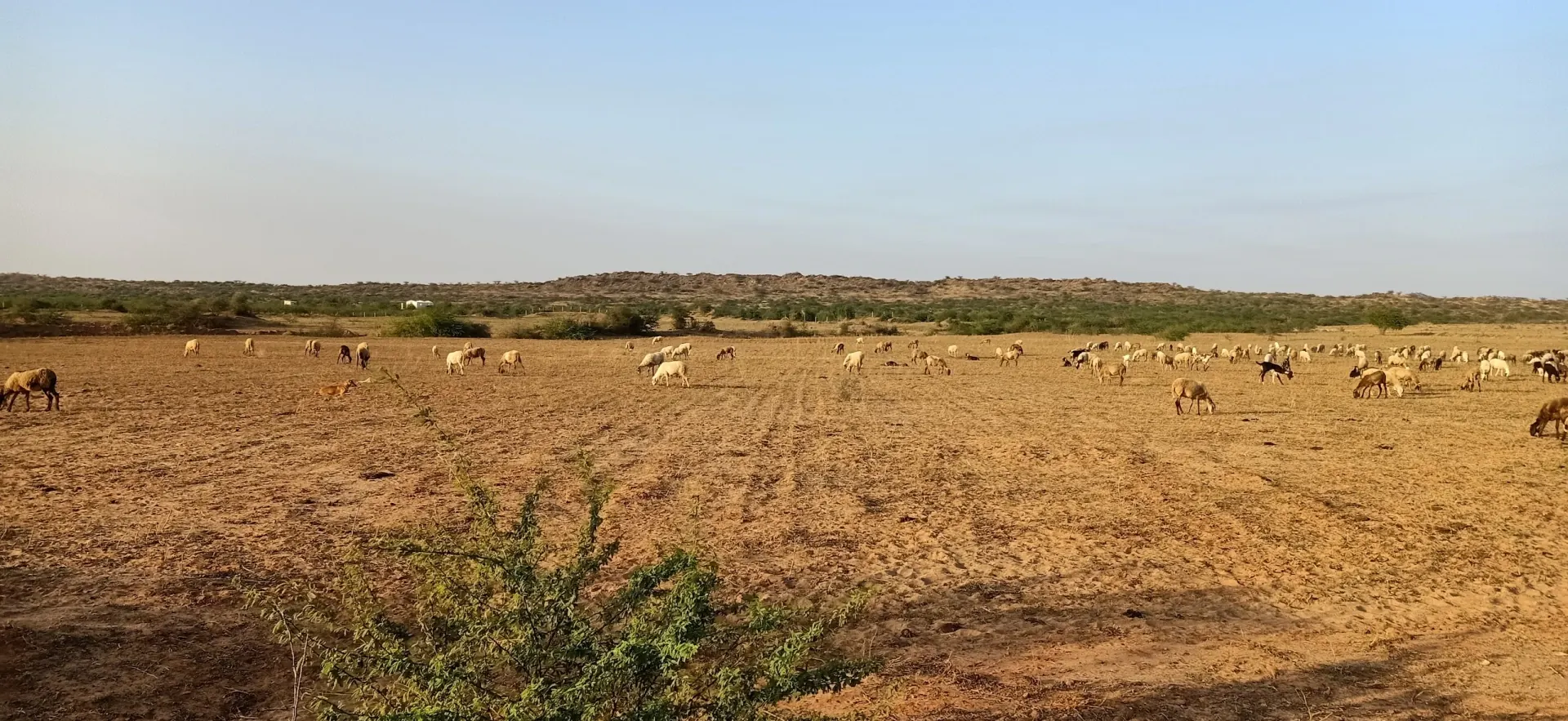
The Banni grasslands supported large herds of cattle, buffaloes, sheep, goats and camels. Communities like the Rabaris and Jats built sophisticated pastoral traditions, and Kutchi cattle were widely prized — Campbell ranked animal husbandry among the pillars of the Kutchi economy.
Agriculture in a Difficult Land
Farmers grew bajra, jowar, wheat, cotton and pulses, depending almost entirely on rainfall — good monsoons brought abundance, drought could devastate whole communities. This uncertainty pushed families to combine farming with livestock, trade, handicrafts or seasonal migration.
Wildlife & Natural Richness
Despite its harsh environment, Kutch supported rich biodiversity — wolves, jackals, foxes, hyenas and wild cats roamed its hills, while the wetlands of the Rann drew flamingos, cranes, pelicans, ducks and migratory birds, much as they still do today.
Faith & Pilgrimage
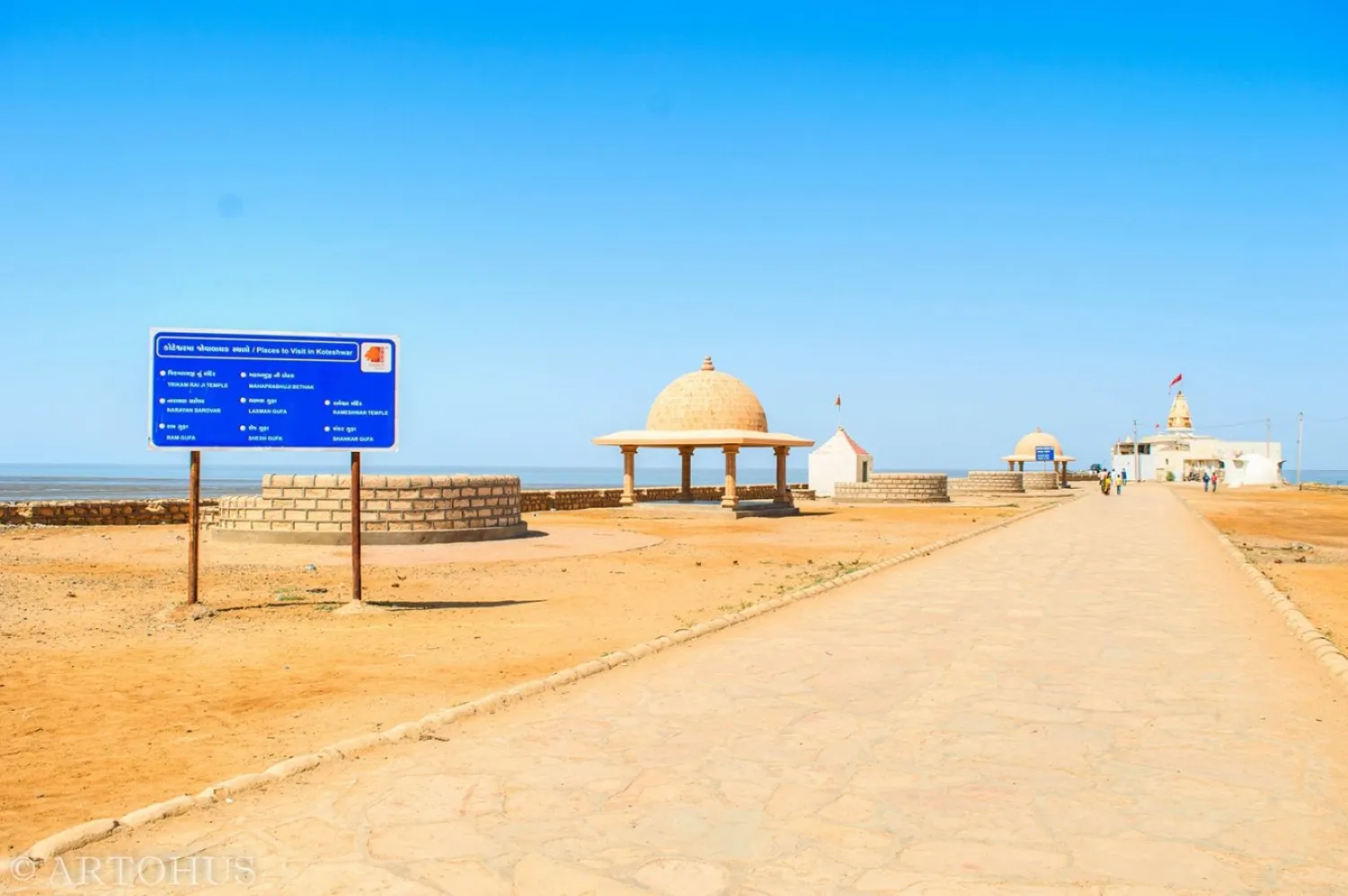
Religion shaped daily life through pilgrimage centres such as Narayan Sarovar, Koteshwar, Mata-no-Madh and Dhinodhar, and a landscape dotted with temples, mosques, shrines and Jain sites — faith offering not just spiritual guidance but social cohesion through drought and uncertainty.
The Great Earthquake of 1819
Few events left a deeper impression on Kutch than the earthquake of 1819. The disaster altered river courses, reshaped the landscape and affected settlements across the region. The Allah Bund it created became one of the most famous geological phenomena in India, drawing travellers and scientists for decades — proof of both the vulnerability of Kutch and the determination of its people to rebuild.
The True Wealth of Kutch
Reading Campbell's Gazetteer today reveals a consistent theme: the greatest strength of Kutch was never its climate, rivers or natural resources — it was its people. Living in a land of uncertain rains, shifting rivers and difficult terrain, generations of Kutchis developed resilience, enterprise, adaptability and courage that let them not only survive, but prosper.
More than 140 years on, much has changed — roads, ports, industries and modern infrastructure have transformed the region. Yet the essential character Campbell admired remains recognizable. Kutch continues to be a land where nature demands resilience, and where people respond with determination, innovation and pride. That, perhaps, is the timeless story of Kutch.
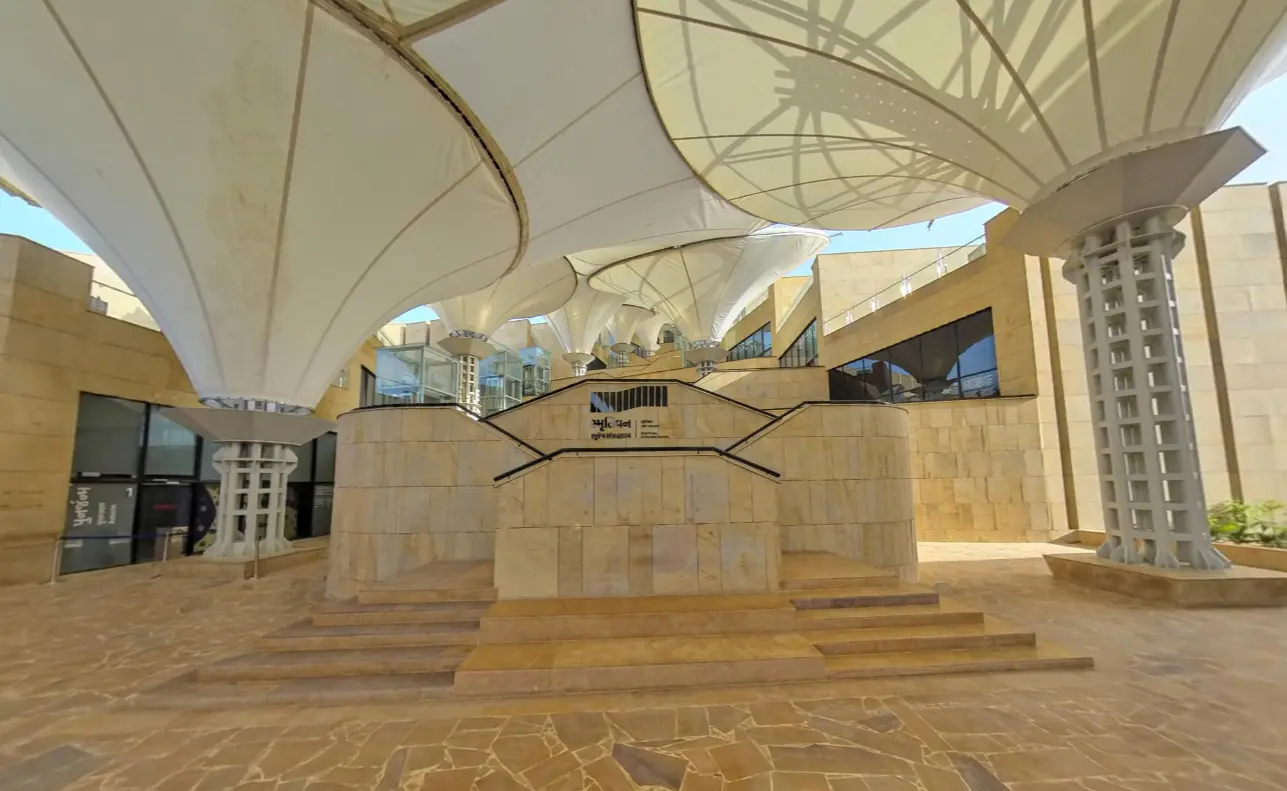
Ancient Echoes
Tracing the footsteps of the Harappans to the early regional rulers.
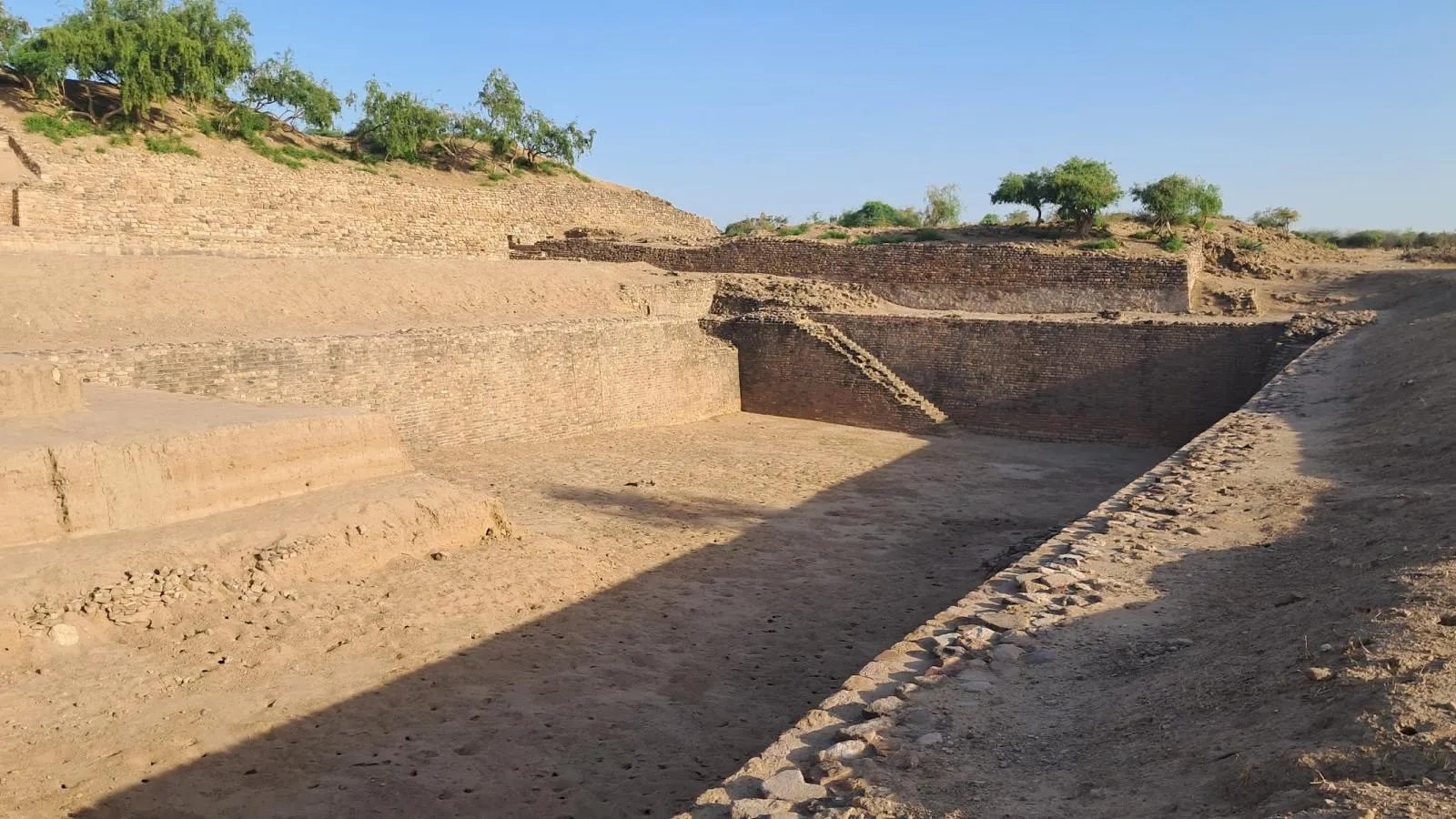
Indus Valley Civilization
Dholavira stands as a testament to advanced urban planning, water conservation, and trade with Mesopotamia.
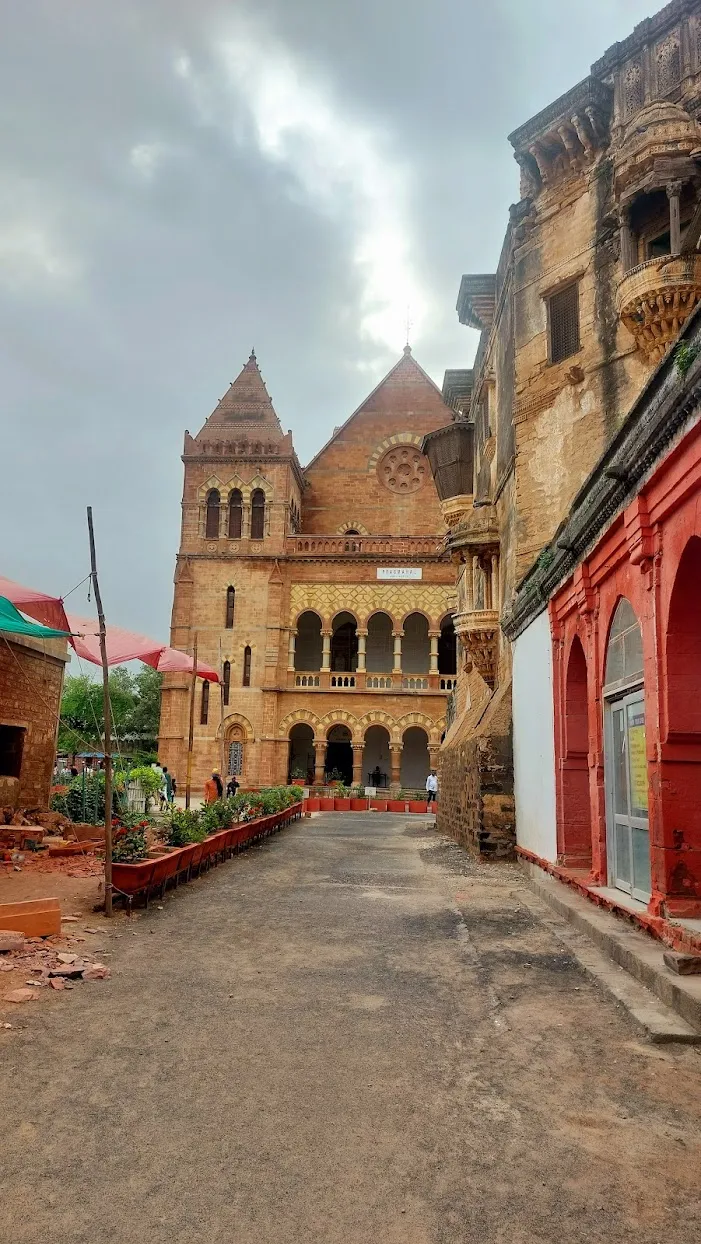
Regional Kingdoms
Rise of the Samma Rajputs from Sindh, who migrated and established their dominance, blending cultures.
Trade Routes
Kutch served as a vital gateway for overland and maritime trade connecting India to the Persian Gulf.
The Era of Jadeja Rule
In 1549, **Rao Khengarji I** unified Kutch and established **Bhuj** as its capital. The Jadeja dynasty ruled for centuries, fostering a golden age of art, architecture, and administration. They built formidable forts like **Bhujia Fort** and initiated the *Kutch Kori* currency, asserting their sovereignty.
- Capital moved to Bhuj (1549)
- Construction of Aina Mahal
- Defense Fortifications built across Kutch
- Minting of Kutch Kori currency
Maritime Legacy
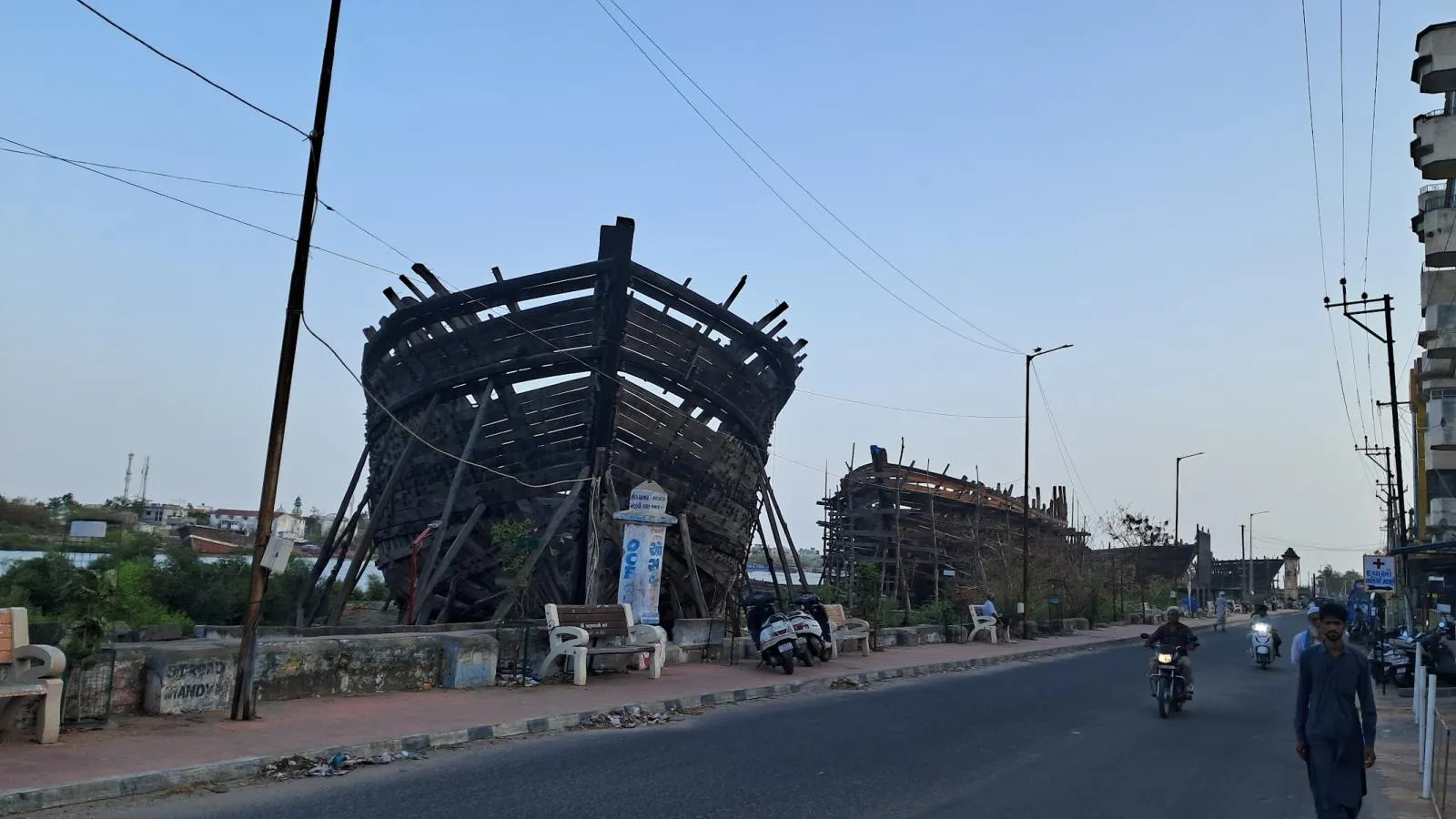
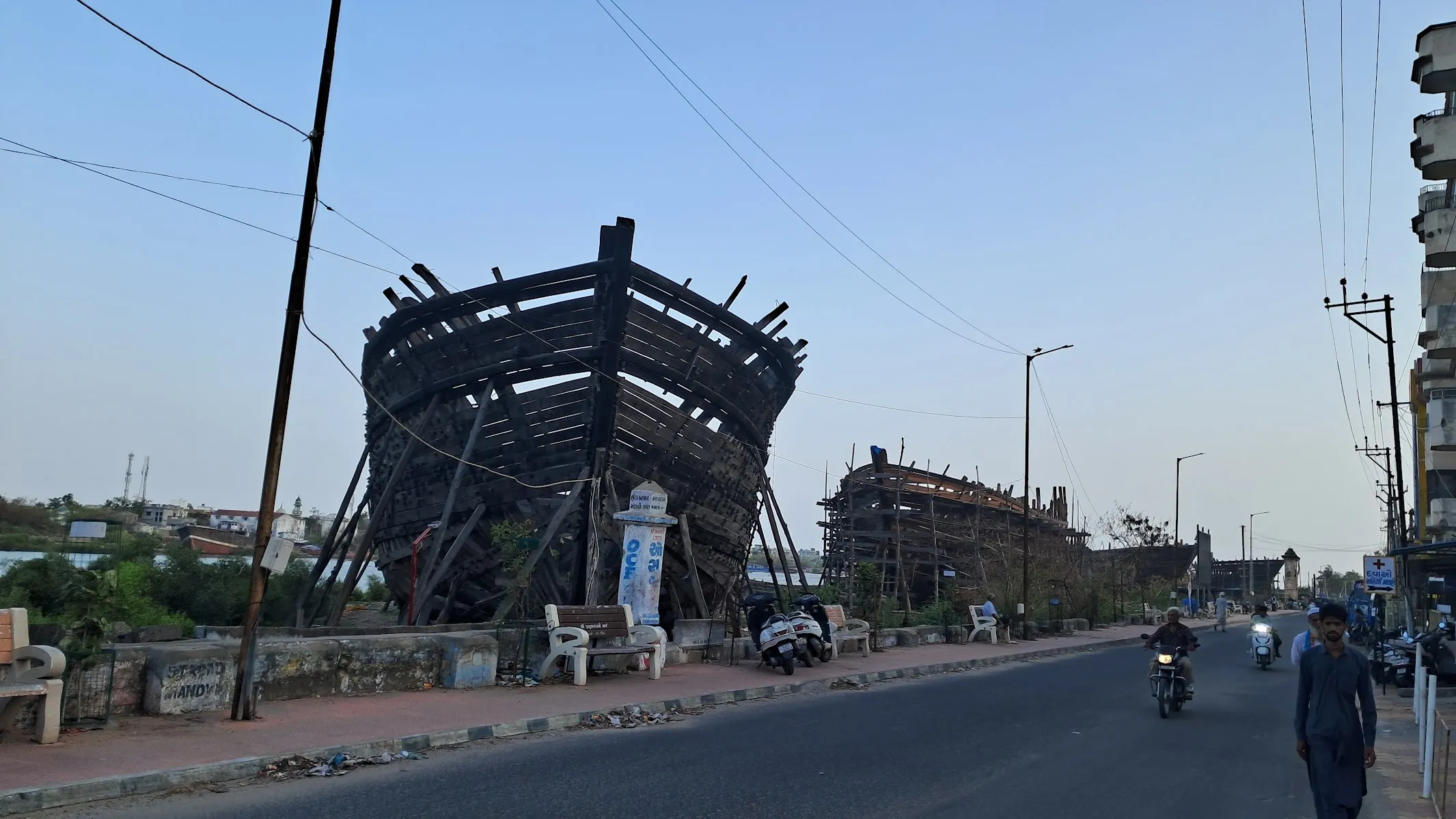
The Kutchi people, renowned as *Kharvas* (sailors), dominated the Indian Ocean trade. Ships built in **Mandvi**, famously known for their durability and craftsmanship, sailed to Zanzibar, Oman, and Malabar. This maritime connection brought not just wealth but a cosmopolitan openness to Kutchi society, reflected in the diverse architectural styles of the region.
Shipbuilding
400-year-old tradition still active in Mandvi.
Global Trade
Export of textiles, spices, and indigo.
A Tapestry of Culture
Kutch is a melting pot where diverse communities weave a vibrant social fabric.
Diverse Communities
Ahirs, Rabaris, Jats, and Meghwals co-existing in harmony.
Languages
Kutchi and Gujarati are the primary languages spoken with pride.
Handicrafts
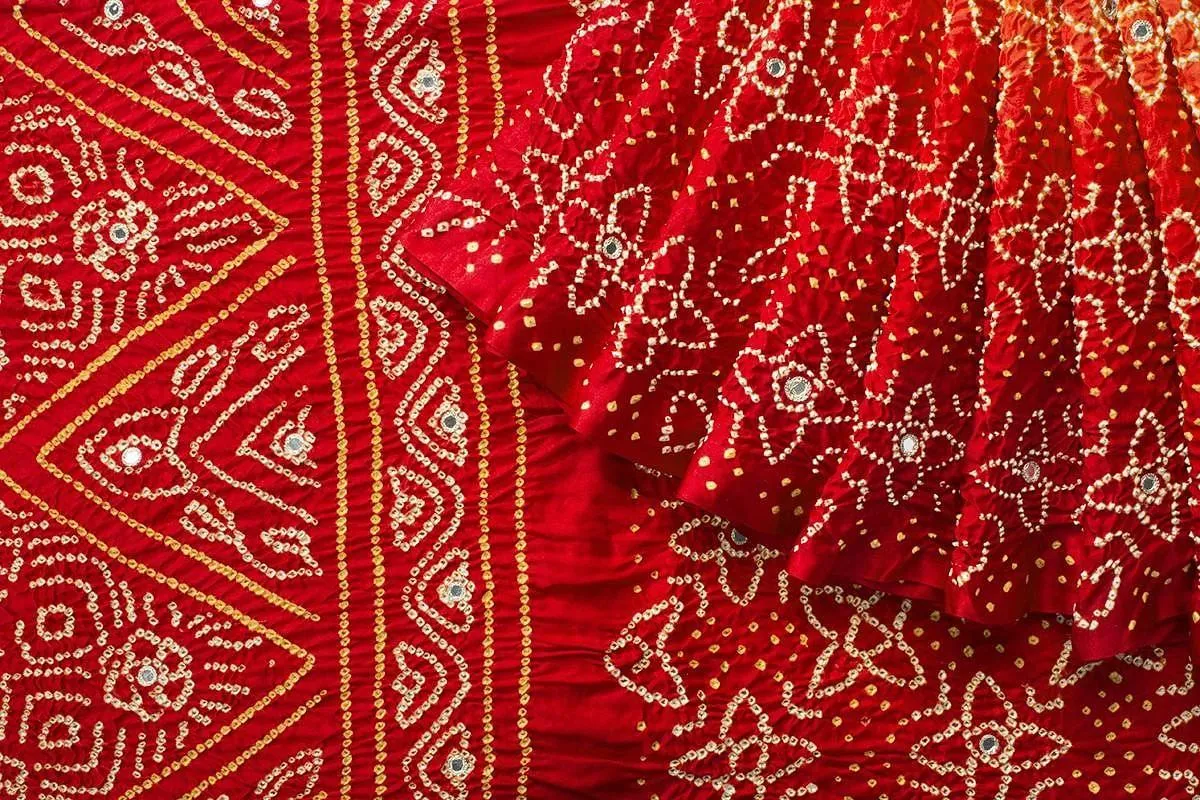
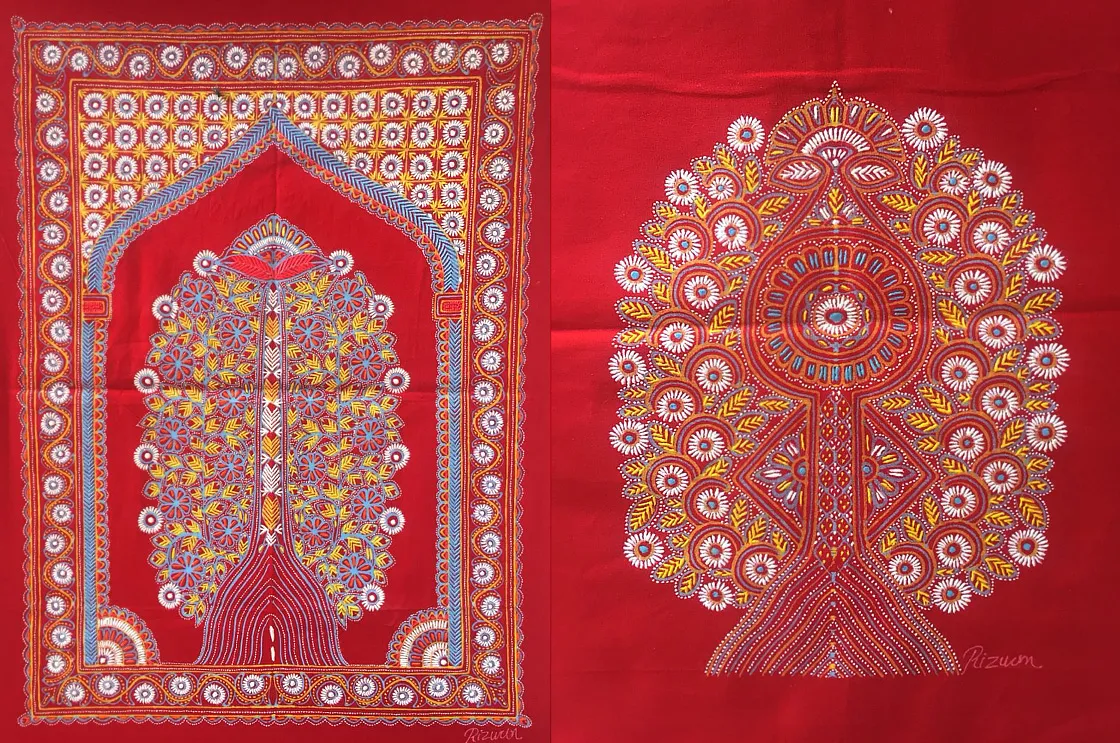
World-renowned embroidery, Rogan art, and Ajrakh printing.
Festivals
From Navratri to Rann Utsav, life is a constant celebration.
Spiritual Harmony
Kutch is a sanctuary of faith. The **Ashapura Mata** temple at Mata no Madh is the presiding deity of the region. The **Narayan Sarovar** is one of the five holy lakes in Hindu theology. Simultaneously, the region hosts historic mosques and shrines like **Haji Pir**, symbolizing a syncretic culture where faiths coexist peacefully.
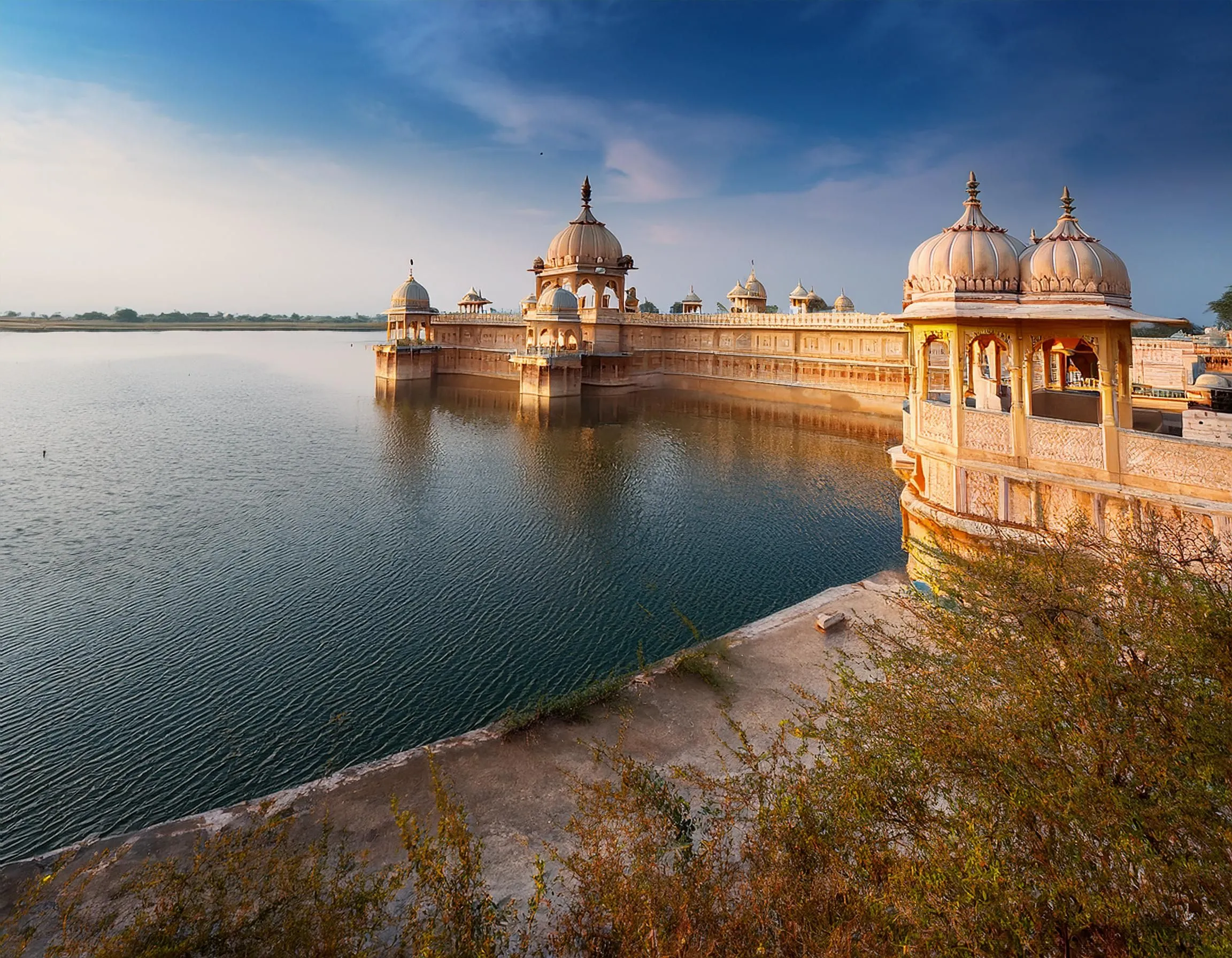
The Colonial Encounter
While technically a princely state, Kutch had significant interactions with the British Raj. The British influence brought administrative reforms and the railway, but Kutch maintained its internal autonomy. The 1819 treaty was a pivotal moment, shaping the geopolitical boundaries of the state for the next century.
1947 to 2001: Trials & Transformation
Post-independence, Kutch was a separate state before merging with Gujarat in 1960. Being a border district, it saw wars and challenges. However, the defining moment of modern Kutch history was the **January 26, 2001 Earthquake**.
The 7.7 magnitude quake devastated Bhuj, Anjar, and Bachau. It was a tragedy of immense scale, claiming thousands of lives and flattening historic structures.
Resilience Reborn
"Like a phoenix rising from the ashes, Kutch rebuilt itself not just with bricks, but with sheer willpower."
Kutch Today
A perfect blend of antiquity and modernity, welcoming travelers from across the globe.
Tourism Hub
Home to the world-famous Rann Utsav.
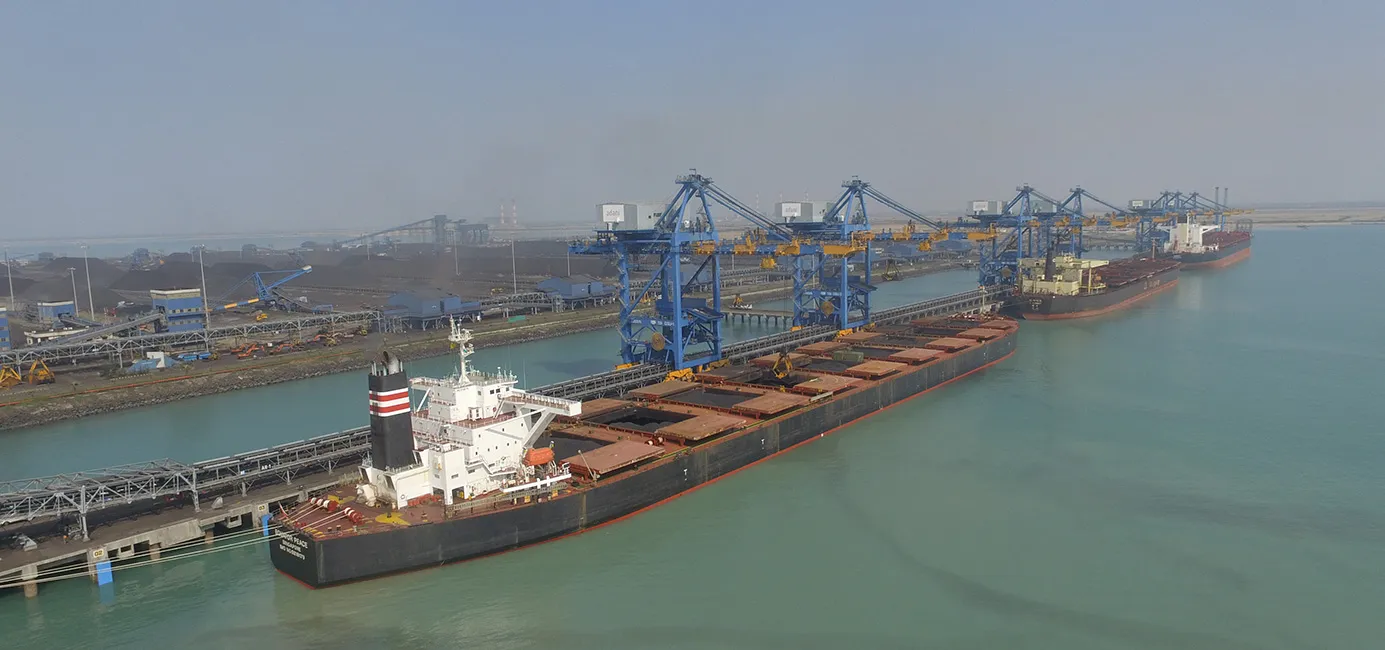
Economic Powerhouse
Mundra & Kandla are among India's largest ports.
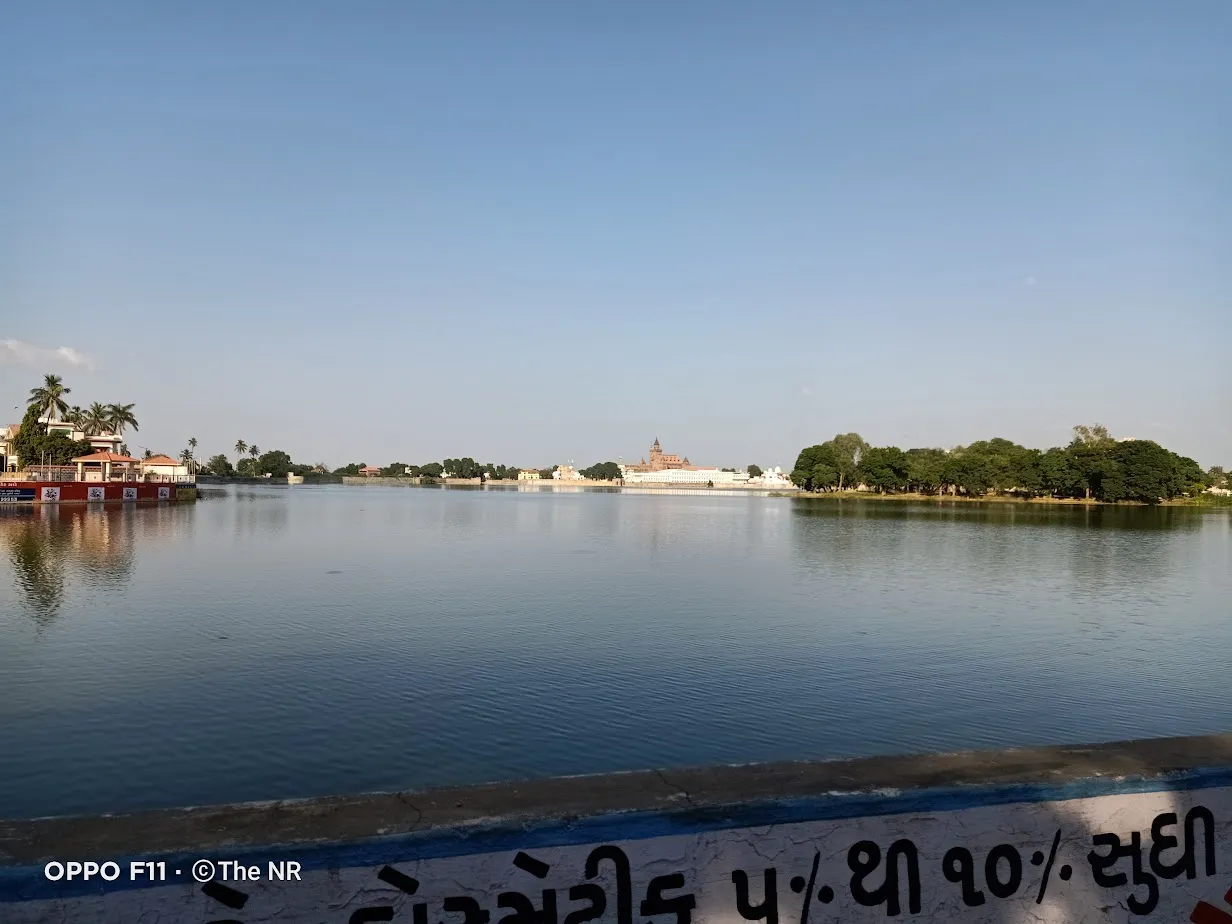
Cultural Capital
Preserving ancient crafts in a modern world.
How History Shapes Your Visit
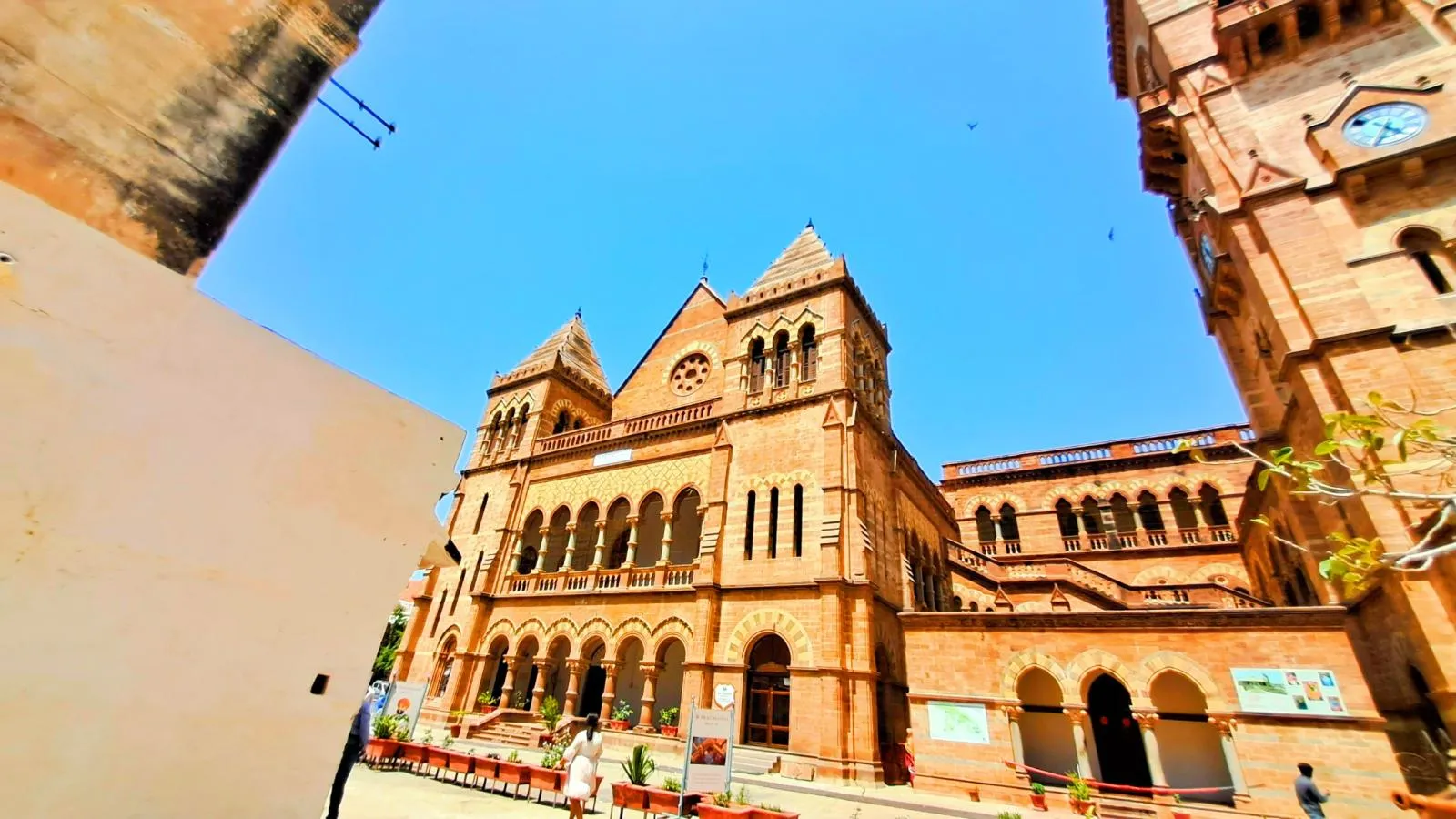
When you walk through the **Prag Mahal**, you see European influence. When you explore **Dholavira**, you touch the dawn of civilization. Every craft you buy supports a lineage of artisans. Understanding this history transforms your trip from sightseeing to soul-searching.
Start Your JourneyFrequently Asked Questions
How old is the history of Kutch?
Kutch's history dates back over 4500 years to the Indus Valley Civilization (Dholavira).
Why is Kutch culturally distinct?
Its geographical isolation as an island (historically) led to a unique development of language, dress, and self-reliance.
What role did trade play?
Maritime trade with Africa and the Middle East brought wealth, diversity, and varied influences to Kutch.
How did the 2001 earthquake change Kutch?
It caused massive destruction but also led to rapid industrialization, better infrastructure, and a modernized economy.