Kashi Vishwanath Temple & BeachA coastal Shiva shrine on the Arabian Sea — named after the sacred Varanasi jyotirlinga, offering devotion and sea views in one quiet stop.
Mandvi coastline, Kutch · 60 km from Bhuj
About the Temple
Kashi Vishwanath Temple sits on the Mandvi coastline, where the Arabian Sea meets the shores of Kutch. The temple is dedicated to Lord Shiva in the form of Vishwanath (Lord of the Universe) — the same name as the great jyotirlinga at Varanasi. This naming is intentional: over centuries, merchants and rulers of Kutch who could not make the long journey to Varanasi established local Kashi Vishwanath temples to bring the sacred tirtha closer to home.
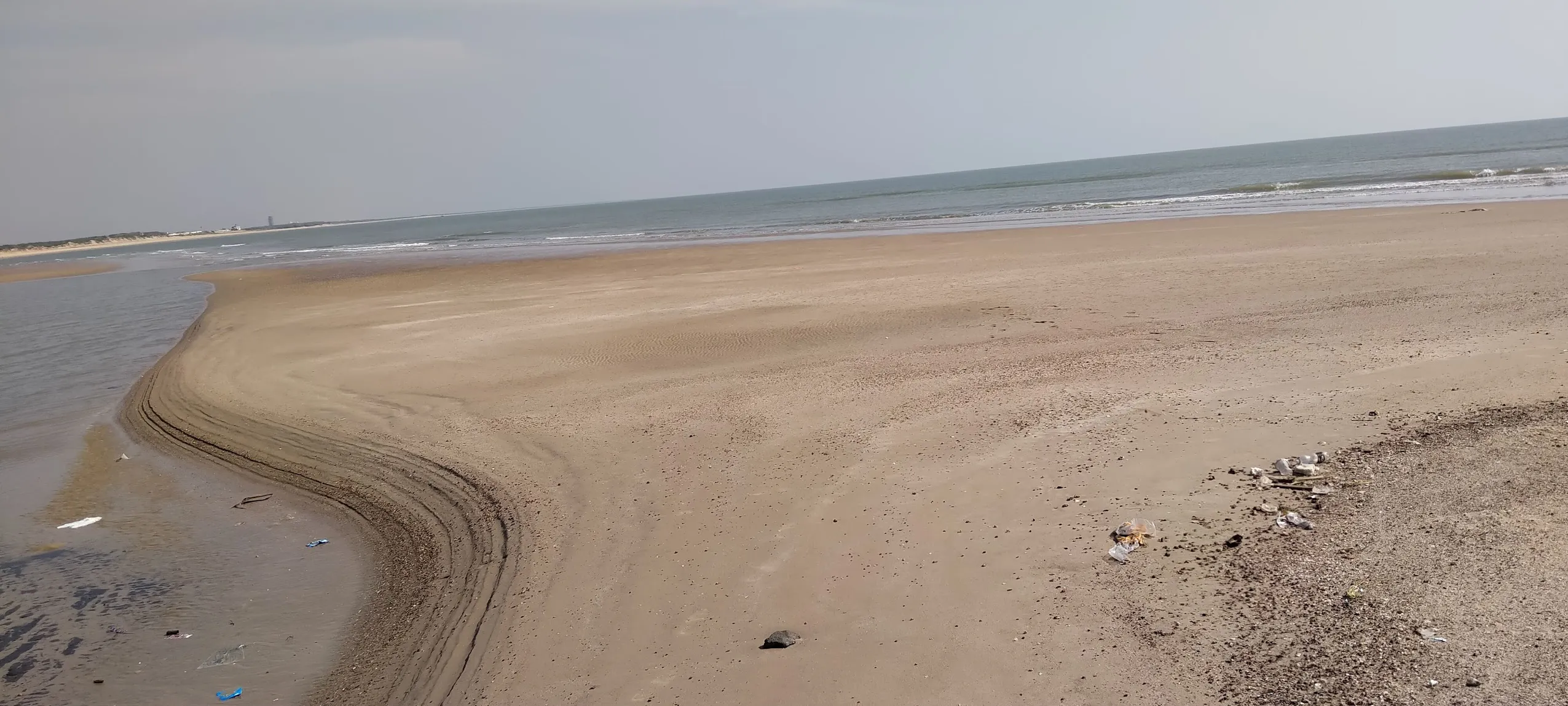
What makes this temple distinctly Kutchi is its coastal setting. The temple overlooks the Arabian Sea, with a ghat (bathing steps) leading down towards the beach. The combination of Shiva worship and the sea carries deep spiritual resonance — Lord Shiva's association with rivers, cremation grounds, and vast open spaces makes this coastline setting particularly fitting.
The temple was among many religious structures in Kutch that were damaged or destroyed in the 2001 Gujarat earthquake and subsequently rebuilt, symbolising the resilience and spiritual determination of the Kutchi people.
Deity
Lord Shiva (Vishwanath)
Setting
Arabian Sea coastline
How to Reach
From Bhuj (60 km · ~1 hour)
Take the Bhuj–Mandvi state highway (SH-42) south to Mandvi town. The temple is on or near the Mandvi coastline. State buses run Bhuj–Mandvi every 30 minutes; taxis and private vehicles are easier for beach-side access.
From Mandvi Town (3 km)
Auto-rickshaws from Mandvi town reach the coastal temple area easily. Agree on fare before boarding. The beach road near the ghat is a pleasant walk if conditions allow.
Best Combined With
A full Mandvi day trip: visit Vijay Vilas Palace, Mandvi beach, the shipbuilding yard, and Kashi Vishwanath Temple in one outing. Ravalpir Dada at Gundiyali is also nearby.
The Experience
Seek blessings at the sanctum during morning or evening aarti. The rhythmic bell-ringing and incense against the sound of the sea creates a deeply meditative atmosphere.
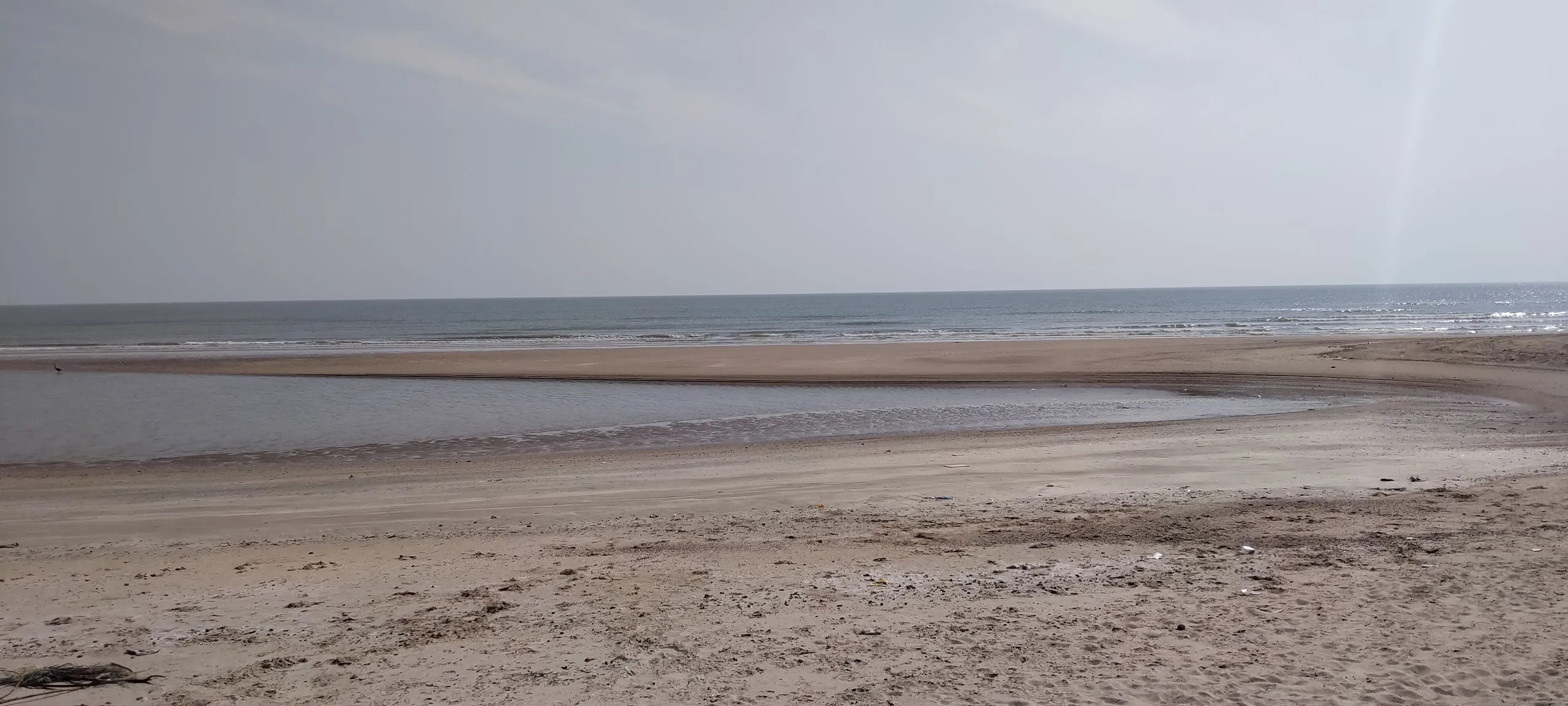
The ghat steps leading toward the sea are a quiet spot for reflection. Sunrise and sunset views here are particularly memorable — Shiva temples by the sea take on a special character at these hours.
The most important occasion at any Kashi Vishwanath temple. Night-long vigil, prayers, and devotional gatherings make Maha Shivaratri (February/March) the year's most significant visit.
Best Time & Practical Info
Maha Shivaratri
The most important festival — night-long prayers and observances. Date varies (February or March) by the Hindu lunar calendar.
October to February
Best season for comfortable travel. Pleasant coastal weather makes this the ideal period to combine the temple with Mandvi's other attractions.
Sunrise & Sunset
The coastal setting means sunrise and sunset darshan here is particularly beautiful. The morning aarti and the evening aarti with sea views are both worth experiencing.
Entry
Free entry. Typical darshan timings: 6:00 AM – 12:00 PM and 4:00 PM – 8:00 PM. Confirm locally as timings may vary.
Dress Code
Modest dress required. Remove footwear before entering. Men and women should cover shoulders and legs.
Duration
30–60 minutes for temple darshan and the ghat. Allow more time if you want to sit by the sea or watch the aarti ceremony.
Nearby
Combine with a full Mandvi coastal day trip.
Mandvi Town
Mandvi's main beach, famous shipbuilding yard, markets, and the heritage town centre — the temple is part of the same coastal visit.
Vijay Vilas Palace
The royal summer palace of the Jadeja rulers — stunning architecture on the Mandvi coast, a must-add to any Mandvi day.
Ravalpir Dada
A syncretic Hindu-Muslim saint shrine in Gundiyali, ~8 km from Mandvi — the stone-horse offering tradition is unique.