Kotay Surya Mandir10th-Century Sun Temple Ruins
A weathered Sun temple complex on the shore of the Greater Rann — ~22km from Bhuj, and one of Kutch's quietest archaeological sites.
Important Advisories
- • Archaeological site - do not damage or remove artifacts
- • No active worship or religious activities
- • Rough unmade road - SUV or high-clearance vehicle recommended for cars
- • Carry water and sun protection during visits
- • Respect the historical and cultural significance
- • Be mindful of villagers' daily life and privacy
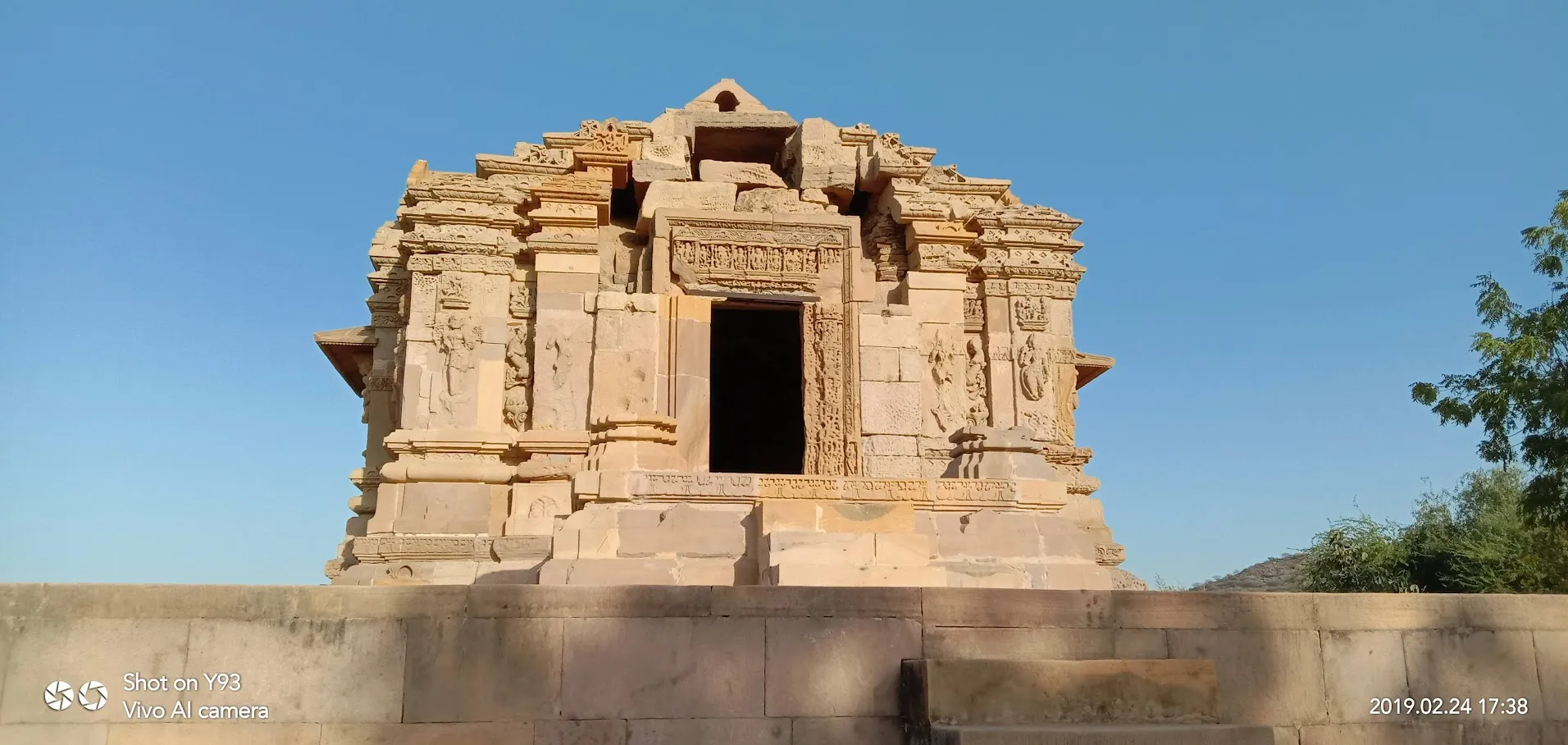
Overview
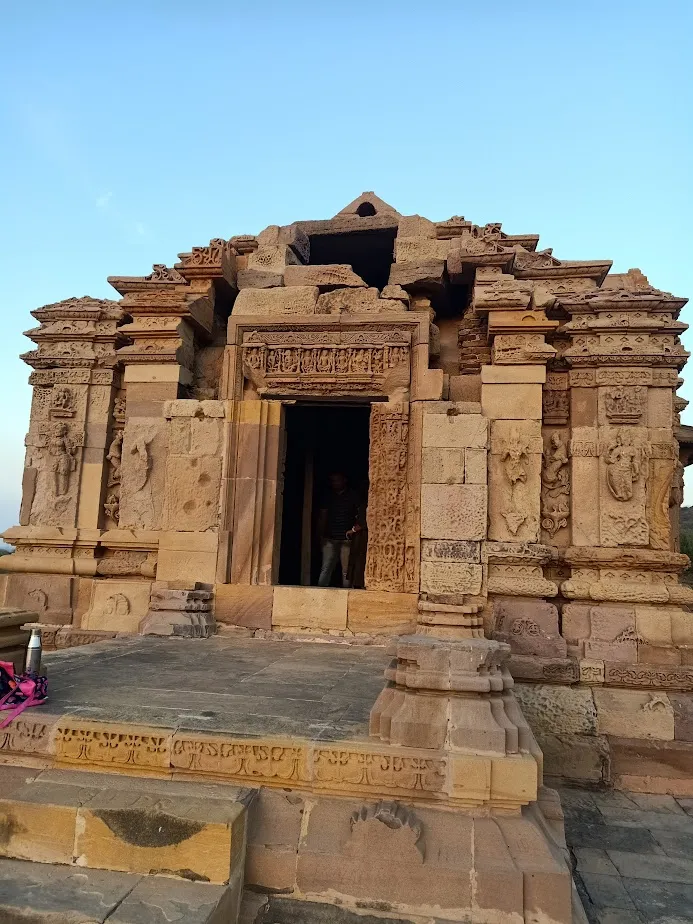
Archaeological Significance
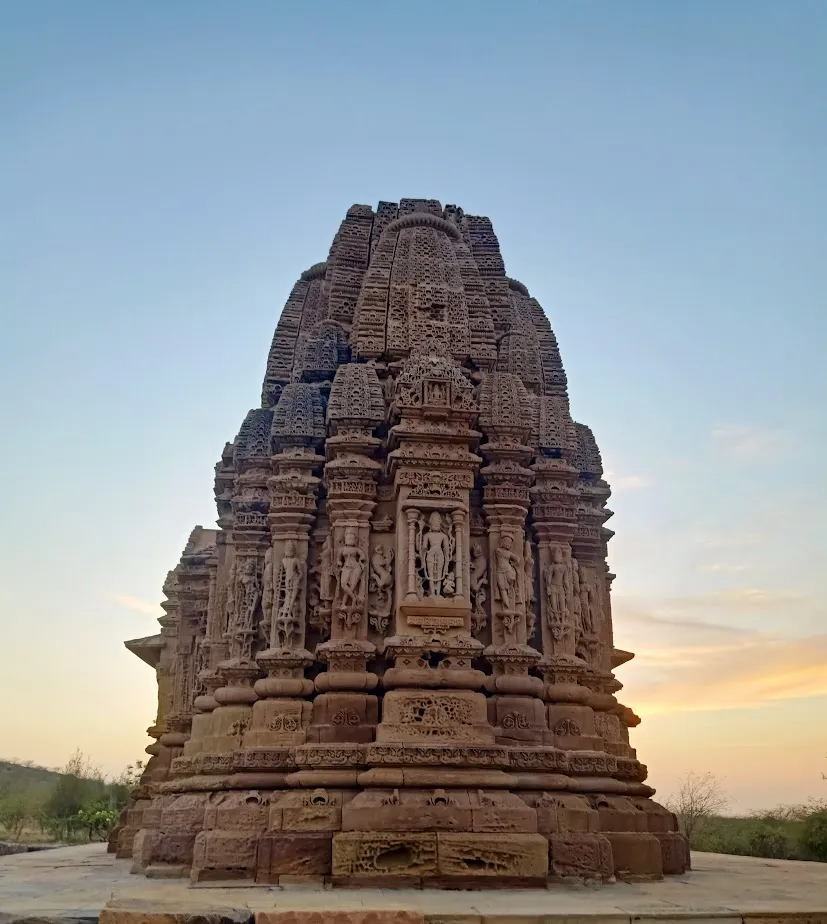
Heritage Experience
Best Time to Visit
Winter (Nov–Feb)
The ideal season — clear skies and 22–28°C, comfortable enough to spend an unhurried hour or two among the ruins.
Summer (Mar–Jun)
Harsh, with temperatures reaching 35–42°C. If you visit, go early morning and carry water — there's little shade on site.
Monsoon (Jul–Sep)
The surrounding landscape turns green, but the unmade approach road becomes difficult — check conditions before setting out.
Who Should Visit
How to Reach
Heritage Site Guidelines
Nearby
Combine with a Bhuj heritage day, or route it through on your way to the White Rann.
Dhrang Mekan Dada
~3km — a spiritual samadhi site, easy to combine with the temple ruins in one trip out.
Bhuj
~22km — the regional hub, with palaces, museums and markets for the rest of the day.
Anjar
~55km — a historic trading town, worth a stop if you're continuing east.
Dholavira
~175km — the UNESCO-listed Harappan site, for a full-day extension of the trip.
Gallery
Glimpses of the hidden gem
10th century Sun temple ruins at Kotai village
Intricate stone carvings and Navagraha sculptures

Beautiful flower garden and trees beside the ancient temple complex
Multiple temple ruins on the shore of Greater Rann of Kutch