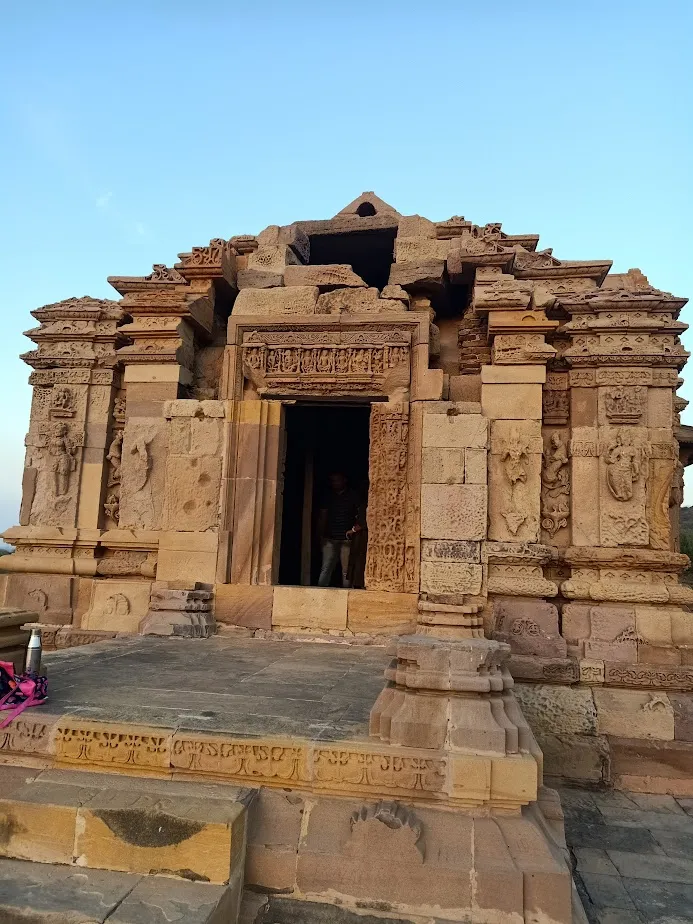
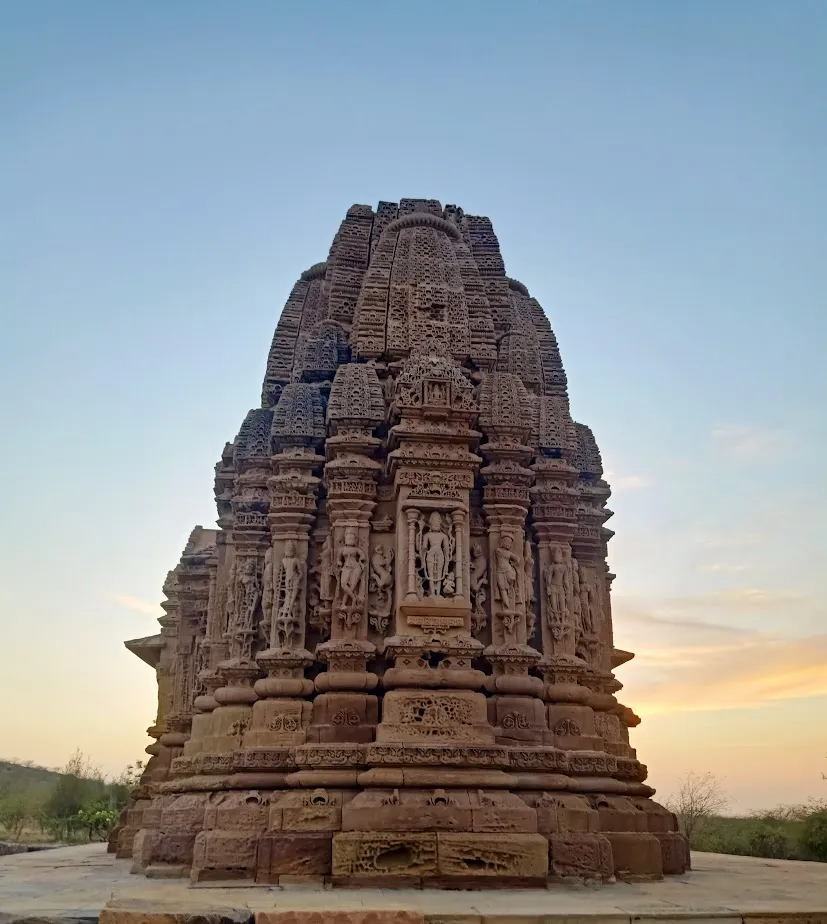
Photo Courtesy: Niraj Rachh
Heritage

Kotay Surya Mandir10th-Century Sun Temple Ruins

A weathered Sun temple complex on the shore of the Greater Rann — ~22km from Bhuj, and one of Kutch's quietest archaeological sites.

1

Historical period: 10th century (earlier part)

2

Main temple: Sun temple known as 'Ra Lakha's', ascribed to Lakha Phulani

3

Construction: Built without cement using yellow and red stone

4

Location: Village on the shore of Greater Rann of Kutch

5

Archaeological status: Contains remains of an old city and multiple temple ruins

Important Advisories

  • Archaeological site - do not damage or remove artifacts
  • No active worship or religious activities
  • Rough unmade road - SUV or high-clearance vehicle recommended for cars
  • Carry water and sun protection during visits
  • Respect the historical and cultural significance
  • Be mindful of villagers' daily life and privacy
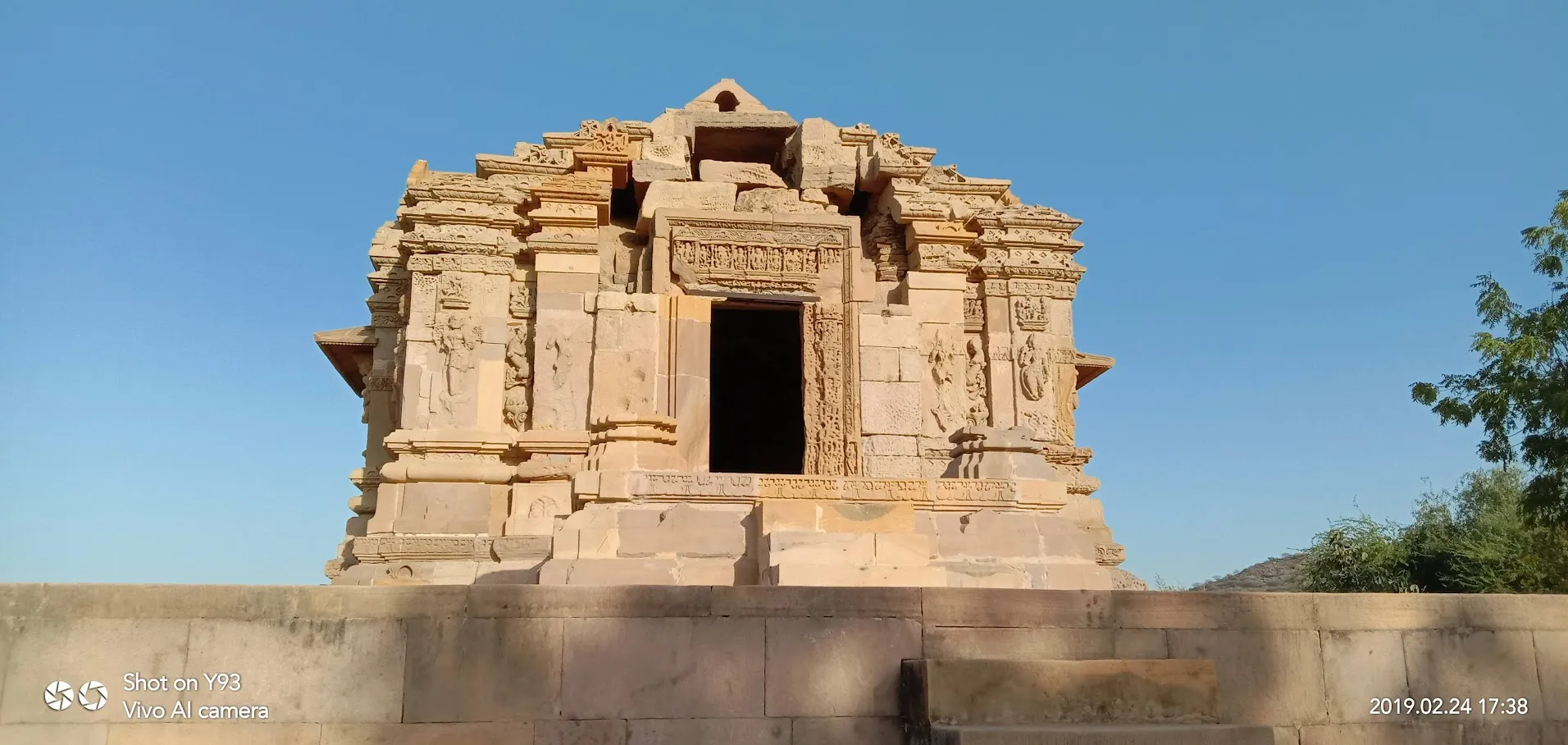
Ancient Sun temple ruins at Kotai village

Overview

Kotai is a historic village in Bhuj Taluka, roughly 22km from Bhuj on the shore of the Greater Rann of Kutch. Its ruined Sun temple — dedicated to Surya and locally called "Ra Lakha's" temple after Lakha Phulani, the ruler it's ascribed to — dates to the earlier part of the 10th century. Built without cement from yellow and red stone, it stands alongside several smaller ruined temples that together preserve some of Kutch's oldest surviving medieval architecture. Entry is free and unrestricted, with no fixed timings beyond daylight hours — this is an untouched archaeological site, not a maintained monument.
Intricate stone carvings and architectural details

Archaeological Significance

Historical Dating Temples date to the earlier part of the 10th century
Sun Temple (Ra Lakha's) Main temple ascribed to Lakha Phulani, built without cement using yellow and red stone
Architectural Style Features groined aisles similar to chaitya caves and unique roofing with massive slabs
Complex Layout Multiple temple ruins including the main Sun temple and three smaller temples to the west
Sculptural Details Elaborate carvings including Navagraha (nine planets), Ganpati, and four-armed figures
Historical Importance Contains remains of an old city and represents significant medieval temple architecture
Beautiful garden and natural setting around the temple

Heritage Experience

Historical Exploration Walk through 10th century temple ruins and archaeological remains
Architectural Marvel Study unique construction techniques including groined aisles and stone slab roofing
Sculptural Art Observe detailed carvings of Navagraha, Ganpati, and various Hindu deities
Multiple Temples Explore the main Sun temple plus three smaller temples and additional ruins
Photography Capture exceptional medieval stone architecture and intricate sculptural details
Beautiful Garden Lovely flower garden and mature trees beside the temple ruins
Natural Setting Peaceful environment with good shade from established trees
Rann Location Unique position on the shore of the Greater Rann of Kutch
Village Context Experience authentic rural Kutch village atmosphere
Sunset Views Beautiful desert sunset views from the archaeological site
Heritage Education Learn about 10th century temple architecture and ancient city remains

Best Time to Visit

Winter (Nov–Feb)

The ideal season — clear skies and 22–28°C, comfortable enough to spend an unhurried hour or two among the ruins.

Summer (Mar–Jun)

Harsh, with temperatures reaching 35–42°C. If you visit, go early morning and carry water — there's little shade on site.

Monsoon (Jul–Sep)

The surrounding landscape turns green, but the unmade approach road becomes difficult — check conditions before setting out.

Who Should Visit

1
History enthusiasts curious about pre-Chaulukya era stonework rarely covered in standard Kutch itineraries.
2
Photographers, especially around sunrise when the carved stone catches low, warm light.
3
Travelers seeking quiet — this is a lesser-known heritage site well away from the usual crowds.

How to Reach

From Bhuj 22km via Kotay village (45 minutes drive)
From Khavda 35km via state highway (1 hour drive)
Vehicle Required SUV or high-clearance vehicle recommended - rough unmade road with ups and downs. Small cars not suitable. Two-wheelers are manageable.
Local Guide Village locals can provide temple history and customs
Parking Available near temple premises

Heritage Site Guidelines

Preserve Heritage Do not touch, climb on, or damage ancient structures
Photography Allowed but be respectful of the historical significance
No Littering Keep the archaeological site clean and pristine
Village Respect Be courteous to local villagers and their daily routines
Best Timing Morning hours (7-11 AM) for better light or evening (4-6 PM) for sunset views

Nearby

Combine with a Bhuj heritage day, or route it through on your way to the White Rann.