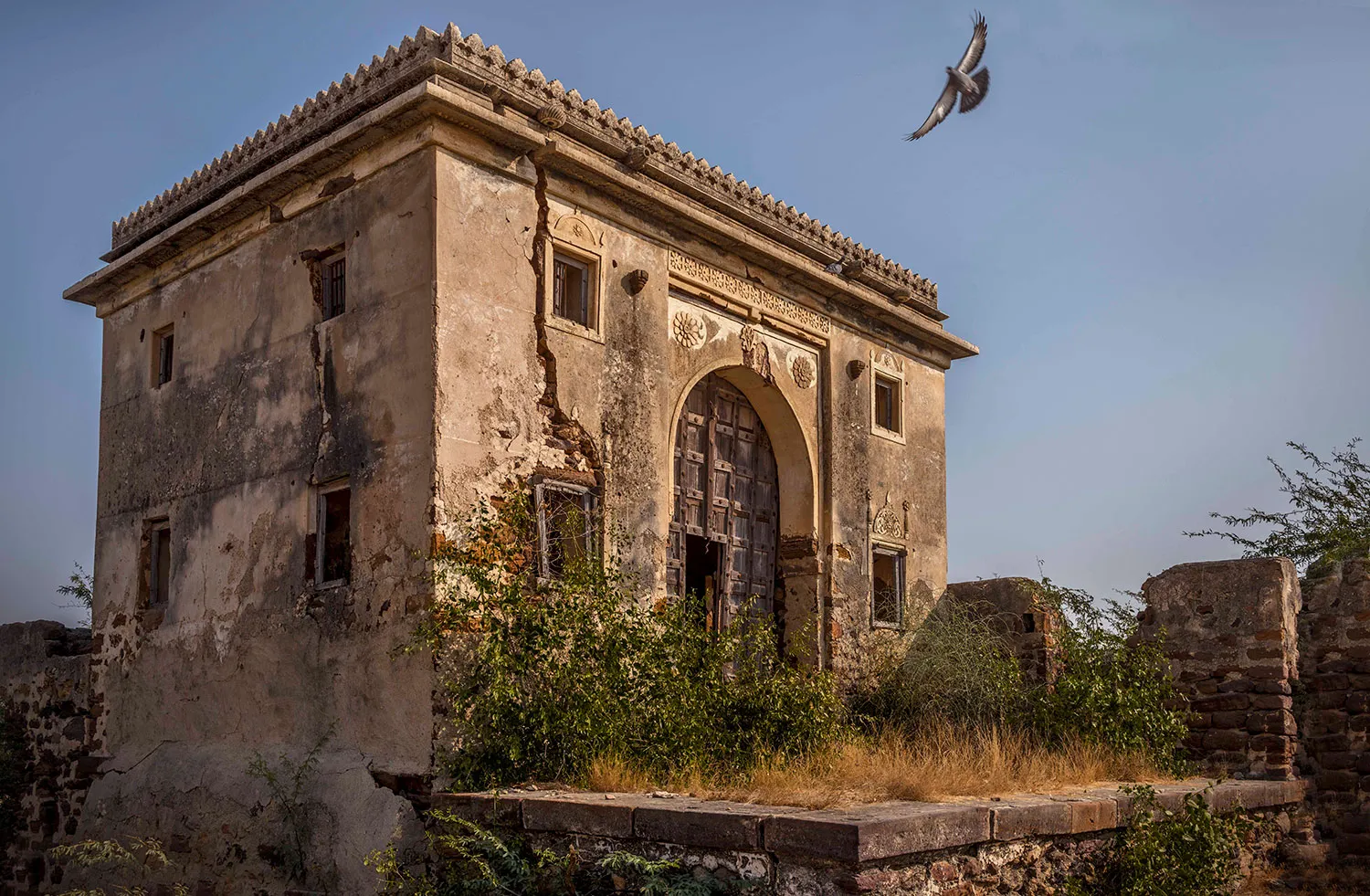
Lakhpat — Ghost Town of the Indus
Historic Fort

Lakhpat

Ghost Town of the Indus

Explore
1

Origins: Takes its name from medieval Sindhi ruler Rao Lakha of the 1200s

2

Current Population: Just 566 people living within massive fortress walls (2011 count)

3

Peak Glory: Once home to 15,000 bustling traders before the great earthquake disaster

4

Geographic Position: Sits at 23.82°N 68.77°E where Kori Creek approaches the Arabian Sea

5

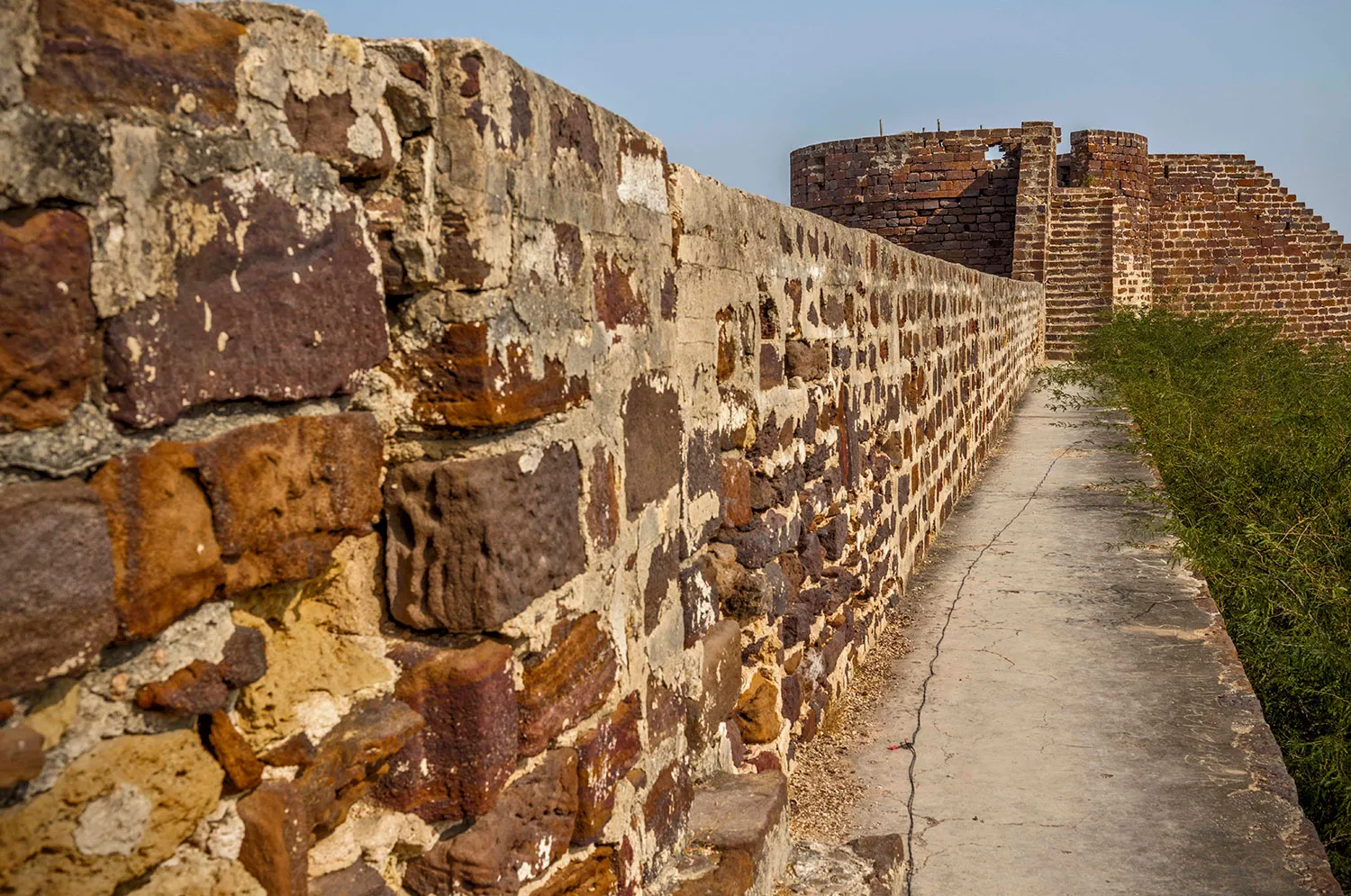
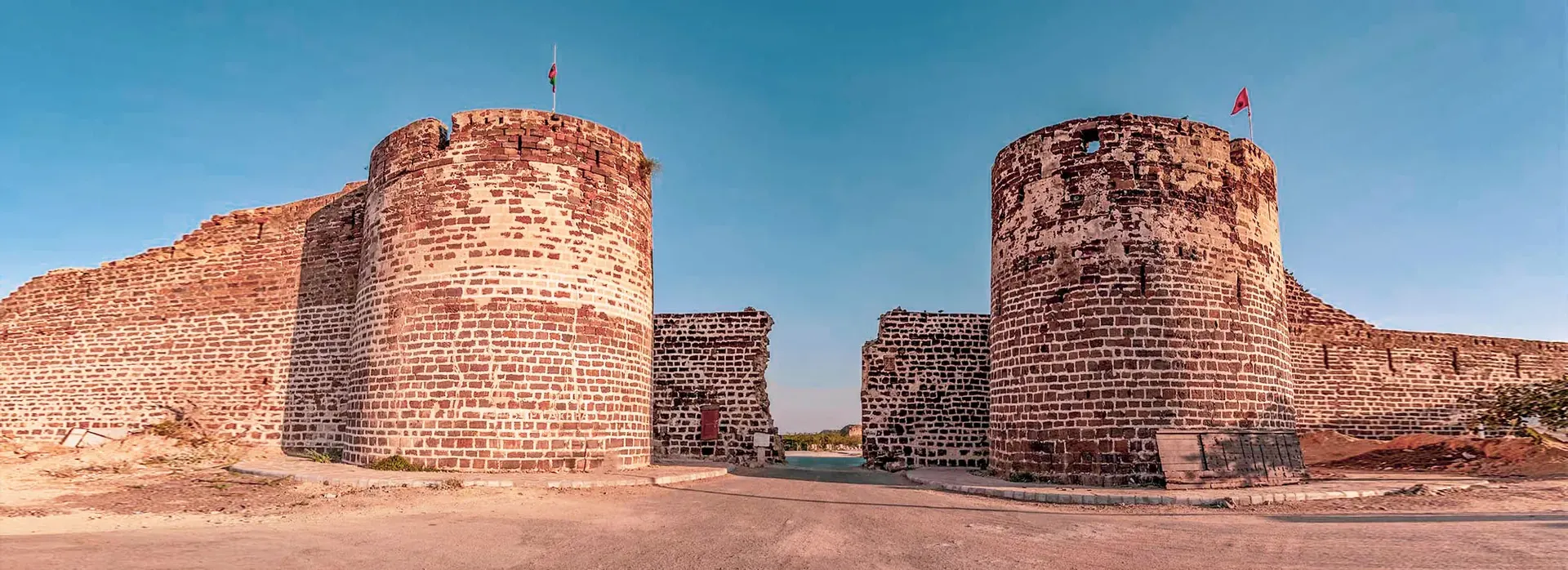
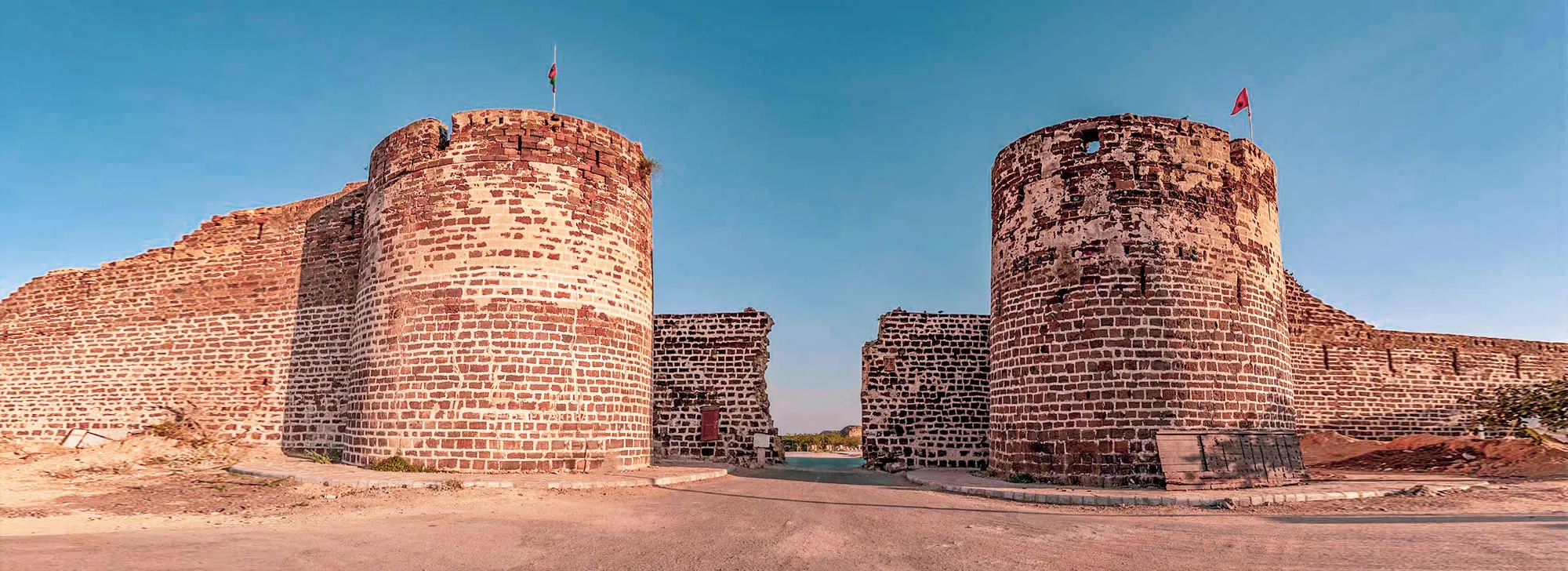
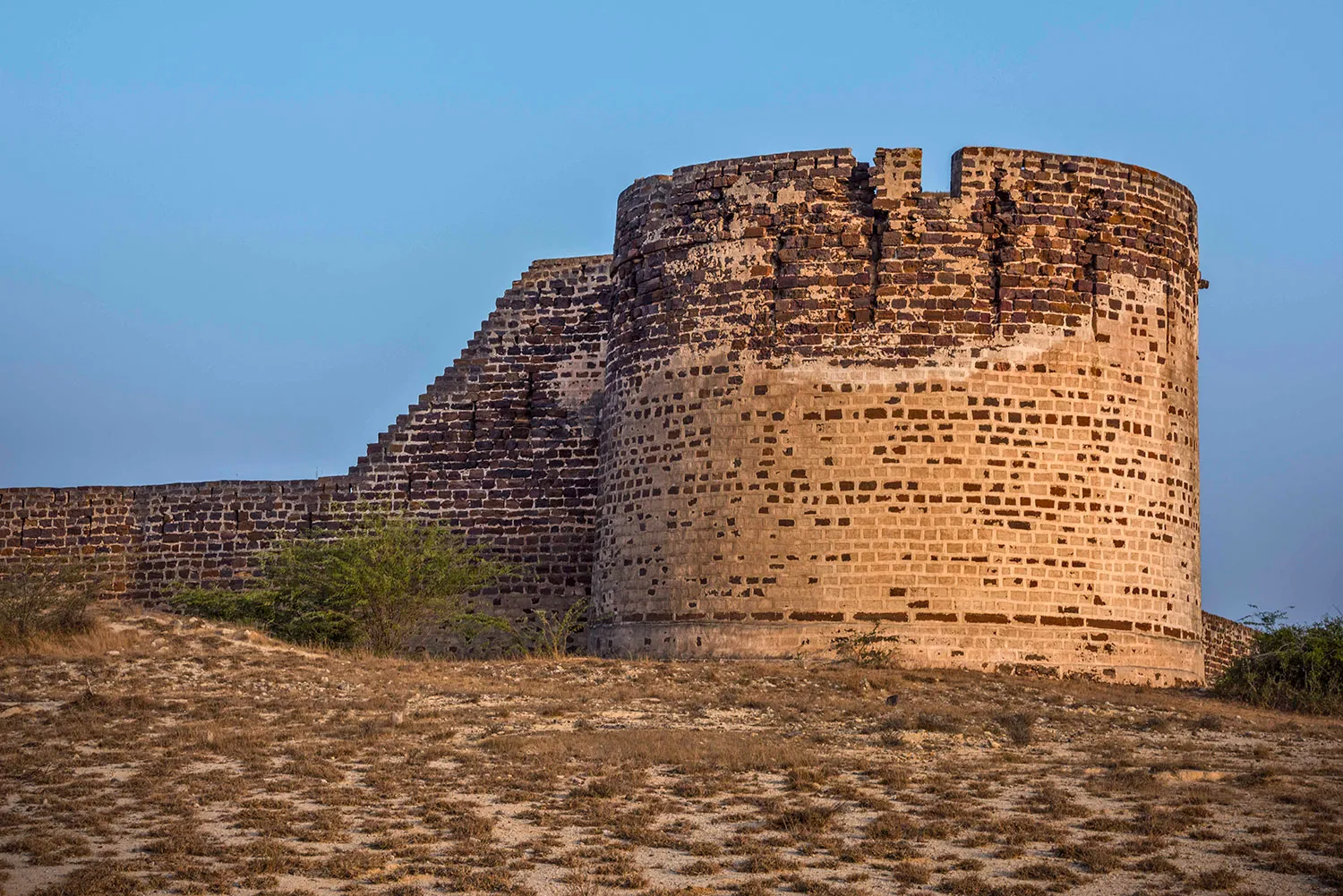
Architectural Wonder: Protected by an impressive 7km circuit of 19th-century stone walls

6

Desert Climate: Experiences extreme heat reaching 42°C in summer, mild 20°C winters

7

Multilingual Heritage: Residents speak Kutchi dialect, Gujarati, and Hindi

8

Modern Role: Peaceful border town with active Indian security presence

Overview of Lakhpat — Ghost Town of the Indus

The Ghost Town of Kutch

Standing at the edge of India where the Kori Creek meets the Arabian Sea, Lakhpat tells one of history's most dramatic tales of rise and fall. This once-mighty port town, surrounded by magnificent 7km stone walls, now shelters just 566 souls among ruins that whisper of its golden age. What makes Lakhpat extraordinary isn't just its fortress-like walls or proximity to Pakistan—it's the story of how nature's fury transformed India's busiest port into a hauntingly beautiful ghost town that feels frozen in time.
Historical view of Lakhpat — Ghost Town of the Indus

History

Lakhpat's story reads like an epic novel of prosperity, catastrophe, and resilience. Taking its name from 13th-century ruler Rao Lakha of Sindh, this strategic settlement flourished when the mighty Indus River flowed directly through it. By the early 1800s, it was an economic powerhouse—imagine a bustling metropolis of 15,000 traders, sailors, and merchants generating astronomical wealth from rice exports and maritime commerce. Then came 1819, the year that changed everything. A devastating earthquake created the Allahbund dam, forcing the Indus to abandon its ancient course. Overnight, Lakhpat's lifeline vanished. Within a single year, two-thirds of its population fled this suddenly landlocked town. Today's Lakhpat stands as a powerful reminder of how quickly fortunes can change, its empty streets and crumbling walls creating an atmosphere that's both melancholic and mesmerizing.
Main attractions in Lakhpat — Ghost Town of the Indus

Places of Interest

The Great Fort Walls

Walk along these imposing 7km ramparts rebuilt by Fateh Muhammad in 1801—an engineering marvel of hard brown stone that has withstood centuries

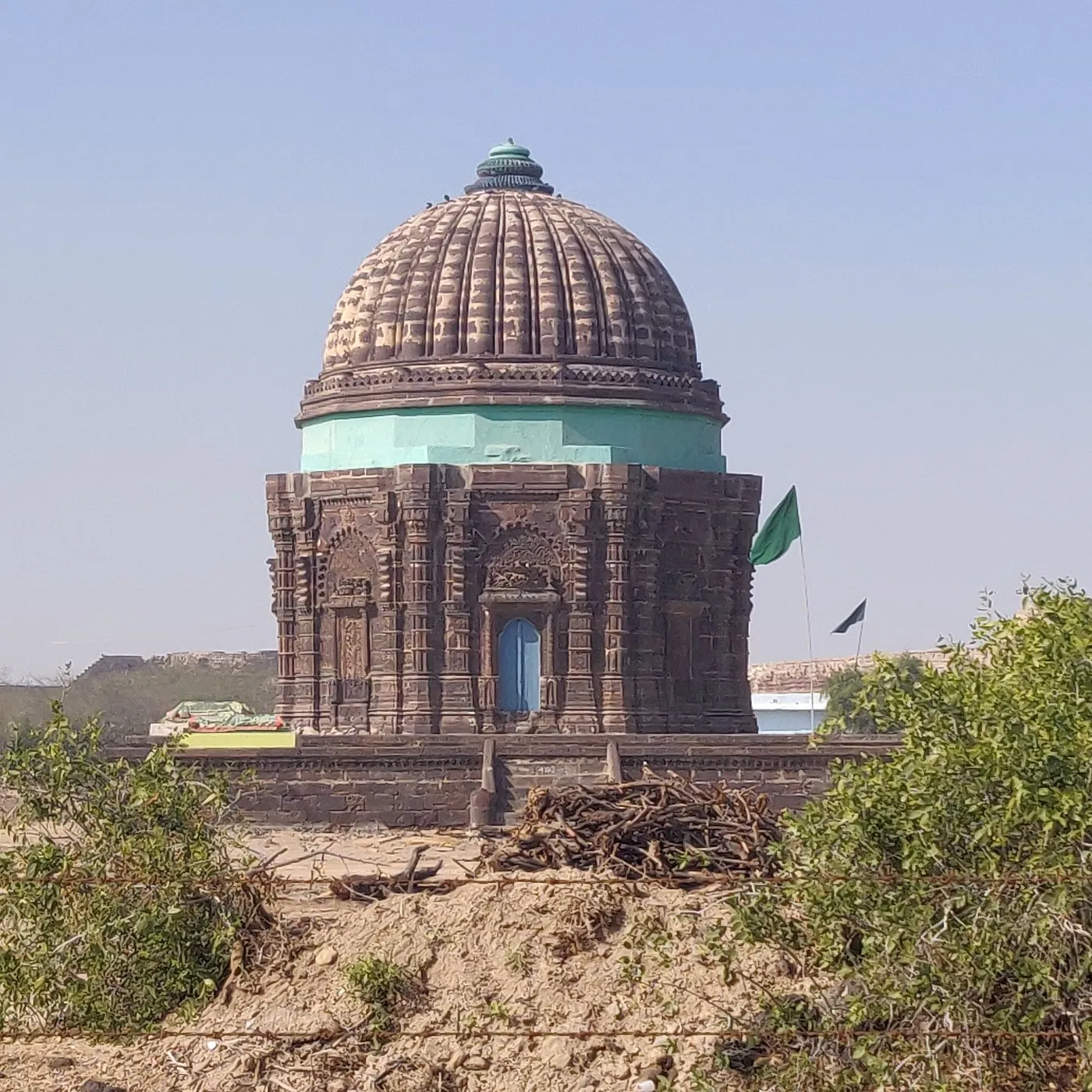
Pir Ghaus Muhammad's Eternal Shrine

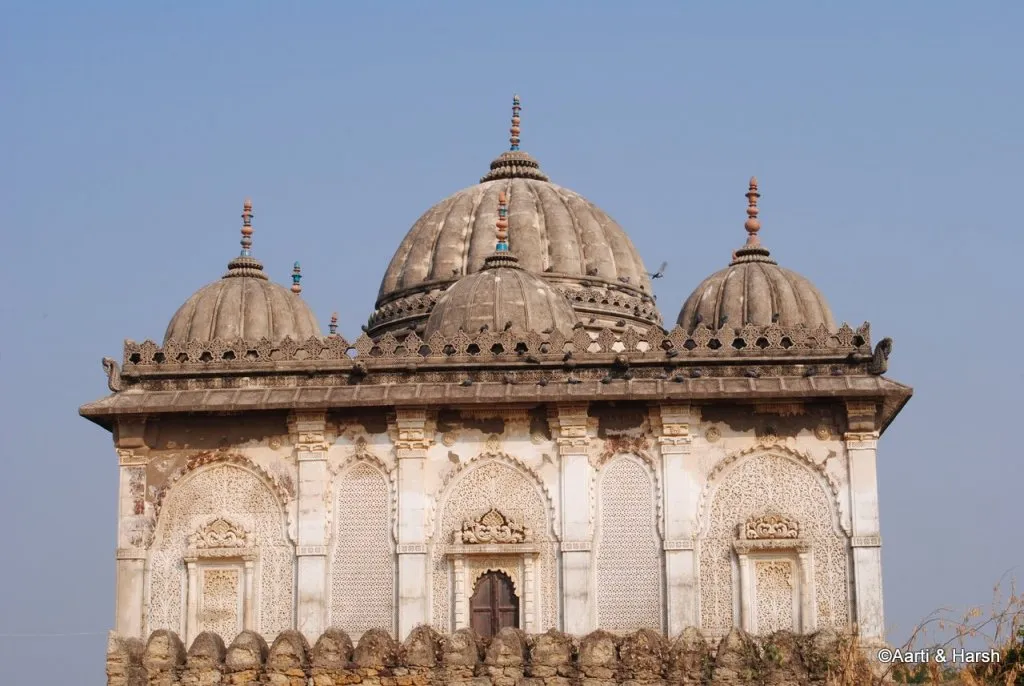
Marvel at this unfinished 19th-century masterpiece with its soaring 63-foot dome, intricate carvings, and the legendary healing waters

Gurudwara of Sacred Memory

Visit the peaceful Sikh shrine where Guru Nanak once rested during his spiritual journeys across the subcontinent

The Forgotten Dargahs

Explore multiple shrine complexes including the nine-domed Sayyed Pir Shah Dargah, each telling stories of Lakhpat's diverse spiritual heritage

Ruins Walking Trail

Wander through abandoned neighborhoods where empty windows and doorways create a photographer's paradise of light and shadow

Border Watching Post

Observe the modern Border Security Force station—a reminder that this quiet town sits on one of the world's most watched frontiers

Sunset Creek Views

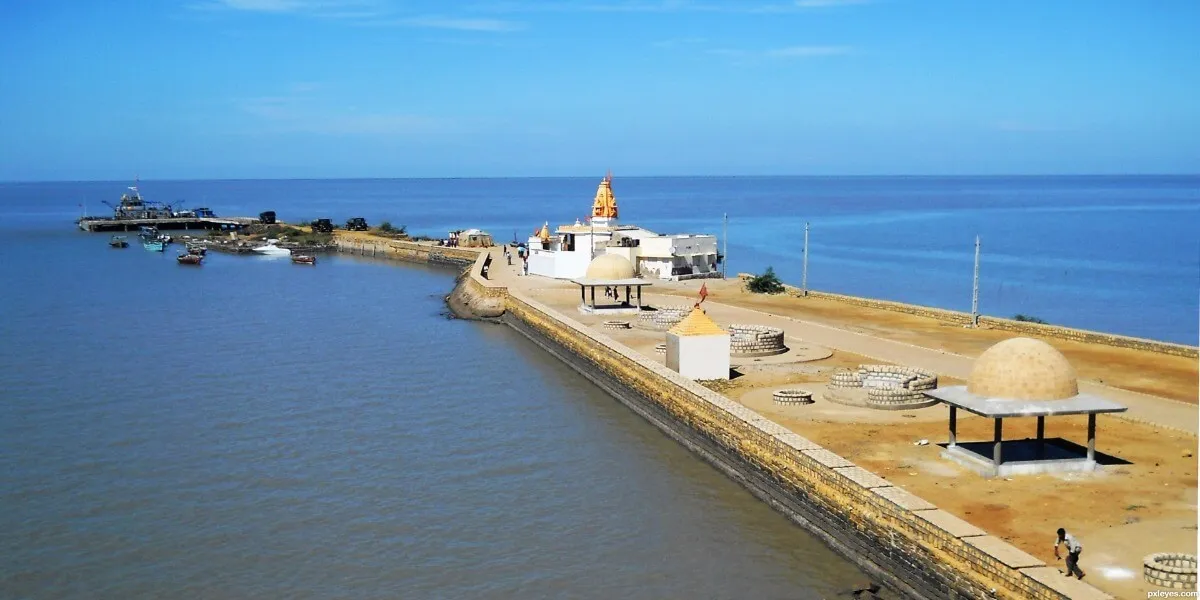
Experience magical golden hours over Kori Creek, where silence is broken only by distant bird calls and gentle waves
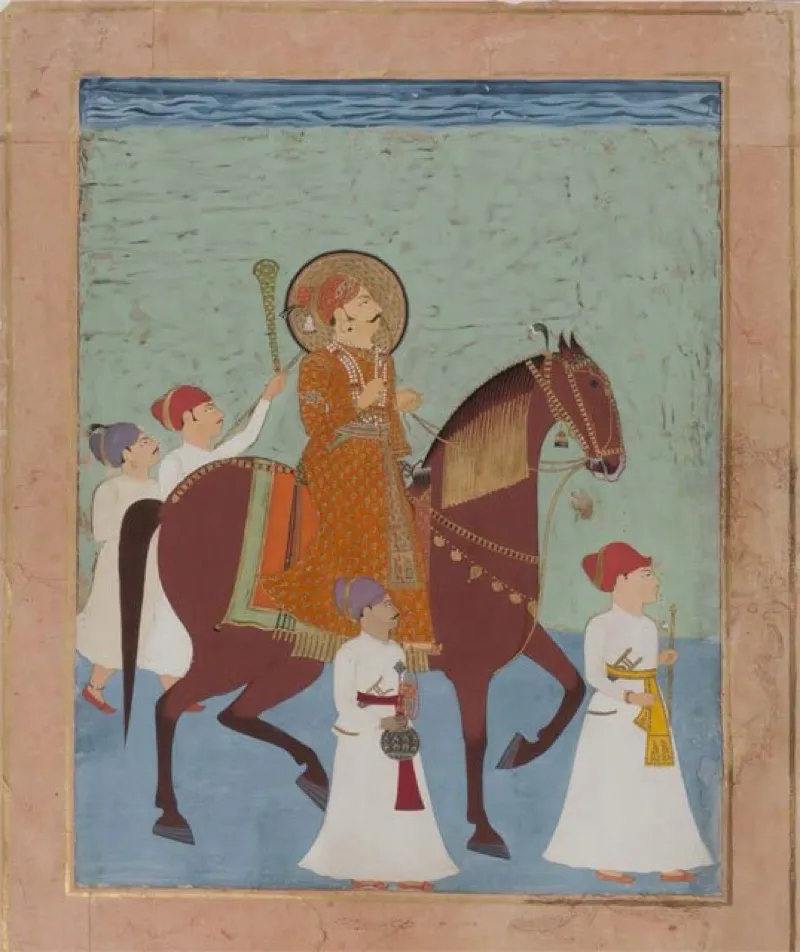
Traditional crafts and cuisine of Lakhpat — Ghost Town of the Indus

Food & Crafts

Sacred Community Kitchen

Join the warm hospitality at the Gurudwara where free meals are served to all visitors regardless of faith or background

Ghost Town Gastronomy

Simple, authentic Kutchi meals prepared by the few remaining families who call this historic place home

Sufi Legacy Experiences

Learn about the mystical traditions of Pir Ghaus Muhammad and the healing rituals still practiced by devotees

Living History Stories

Meet elderly residents who carry oral histories of Lakhpat's transformation from bustling port to peaceful sanctuary

Border Culture

Experience the unique lifestyle of frontier communities where ancient traditions blend with modern border security realities

Archaeological Discoveries

Discover connections to the Indus Valley Civilization through recent excavations in nearby Khatiya village
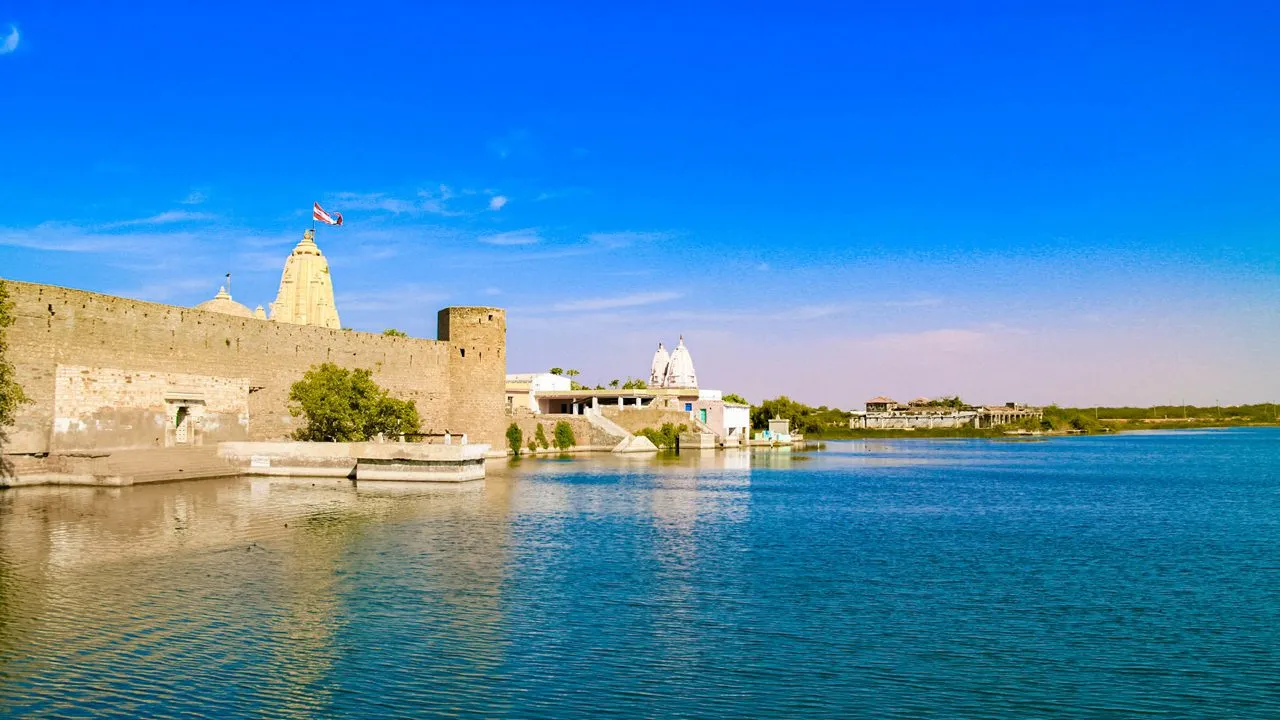
Nearby attractions around Lakhpat — Ghost Town of the Indus
Transportation hub in Lakhpat — Ghost Town of the Indus

How to Reach

By Air Bhuj Airport (120km) - Nearest airport with domestic flights
By Rail Bhuj Railway Station (120km) - Connect via taxi or private vehicle
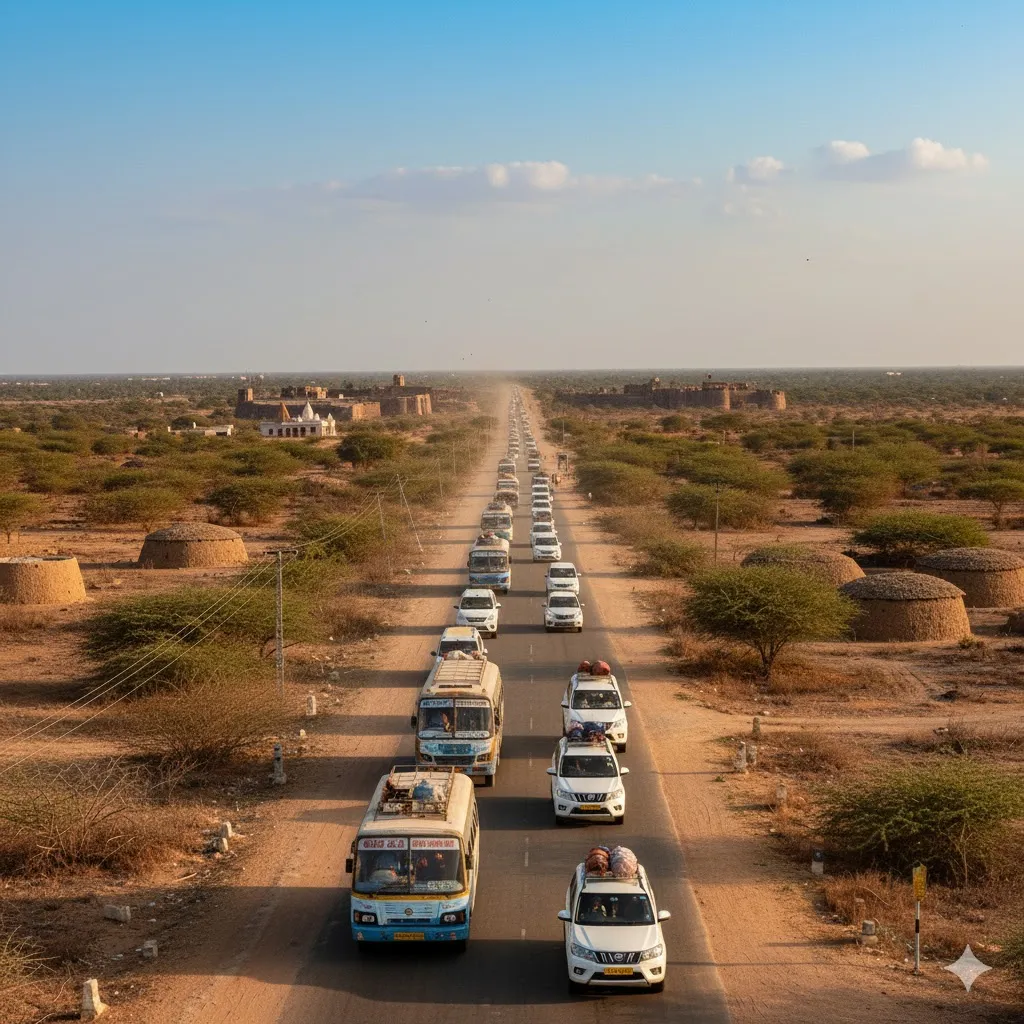
By Road Private vehicle essential; no public transport to Lakhpat
Border Permit Valid ID required due to proximity to Pakistan border
BSF Checkpoint Security screening at Border Security Force post
Travel information about Lakhpat — Ghost Town of the Indus

Travel Information

Distance from Bhuj 120km (approximately 2.5 hours drive)
Distance from Narayan Sarovar 20km (30 minutes drive)
Road Conditions Good roads but remote location with limited facilities
Border Security BSF checkpoints, carry valid photo identification
Mobile Network Limited connectivity, BSNL works best
Fuel Fill tank in Bhuj or Nakhatrana before visiting
Best season to visit Lakhpat — Ghost Town of the Indus

Best Time to Visit

The period from October through March offers the most rewarding experience, with daytime temperatures ranging from a comfortable 20-30°C. Lakhpat's desert location means scorching summers can reach 42°C, making exploration quite challenging from April to June. The monsoon months bring limited rainfall to this arid region, but October onwards provides perfect conditions for photography, walking the fort walls, and soaking in the profound atmosphere of this historical gem. Winter mornings are particularly magical when mist rolls in from the creek, adding an ethereal quality to the ruins.
Accommodation options in Lakhpat — Ghost Town of the Indus

Accommodation & Local Tips

Accommodation Strategy Since Lakhpat offers no hotels, base yourself in Bhuj or the sacred town of Narayan Sarovar for day excursions
Perfect Day Trip Combine your Lakhpat visit with Narayan Sarovar's temples or Koteshwar's coastal shrine for a fulfilling spiritual circuit
Essential Documentation Always carry government-issued photo ID—this sensitive border area requires proper identification for all visitors
Photography Paradise The interplay of ancient architecture, dramatic skies, and golden light creates stunning opportunities during sunrise and sunset hours
Survival Essentials Pack plenty of water, snacks, and basic medical supplies—facilities are virtually non-existent in this remote location
Cultural Sensitivity Show respect at the various religious sites, from the Sikh Gurudwara to Islamic shrines and Hindu temples
Local Insights Consider hiring a knowledgeable guide in Bhuj who can share the rich oral histories and hidden stories of Lakhpat's golden age
Check Deals on Booking.com

Gallery

Glimpses of the royal city

Lakhpat Fort Walls

Lakhpat Fort Walls

Kori Creek Views

Kori Creek Views

Ancient Fort Gates

Ancient Fort Gates

Gurudwara Sahib

Gurudwara Sahib

Fort Architecture

Fort Architecture

Sunset over Kori Creek

Sunset over Kori Creek