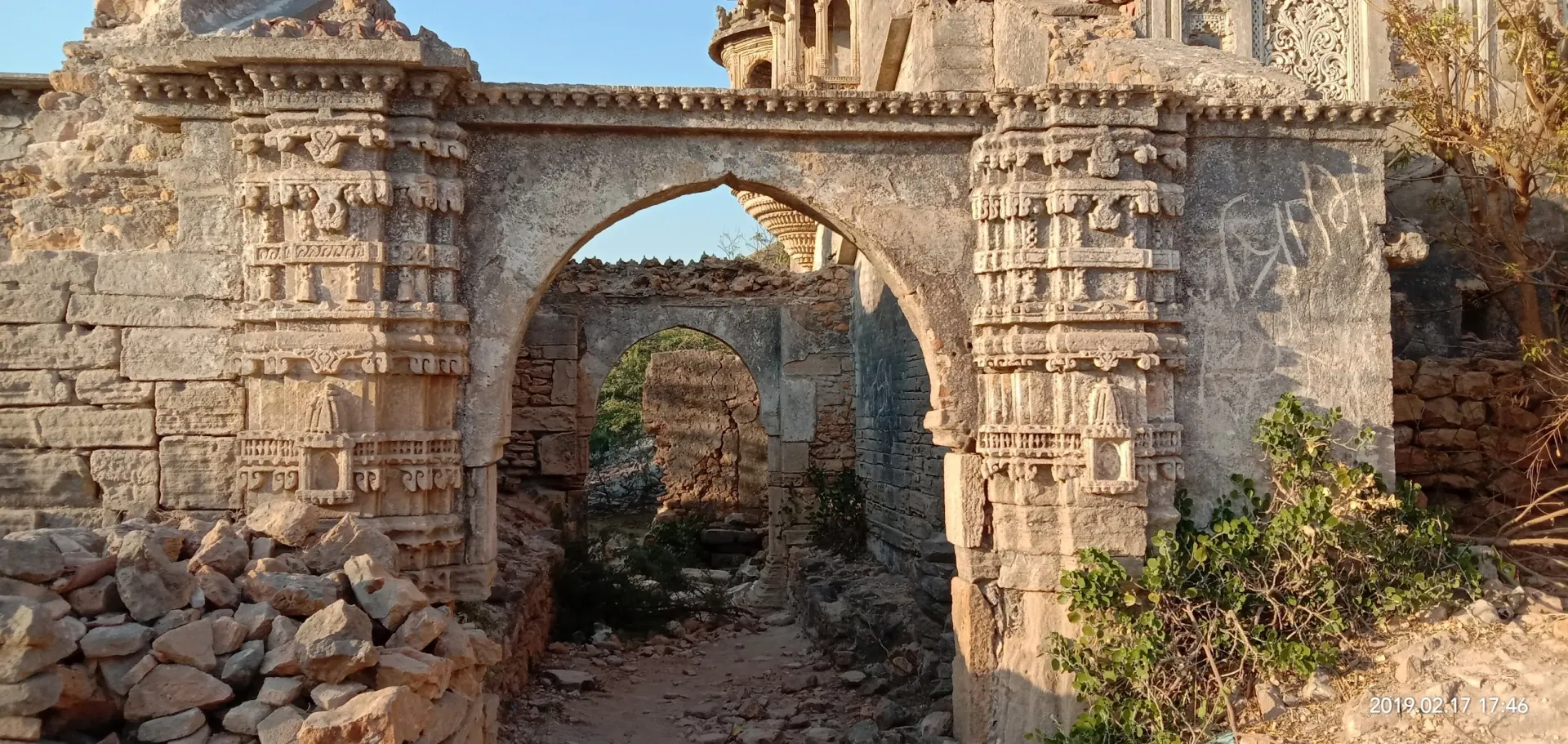
Roha FortA ruined hill fort near Nakhatrana, remembered as Sumari Roha.
Climb the granite ramparts of Roha, a 16th-century fort wrapped in a legend of Soomra Rajput princesses and the verses of poet Kalapi.
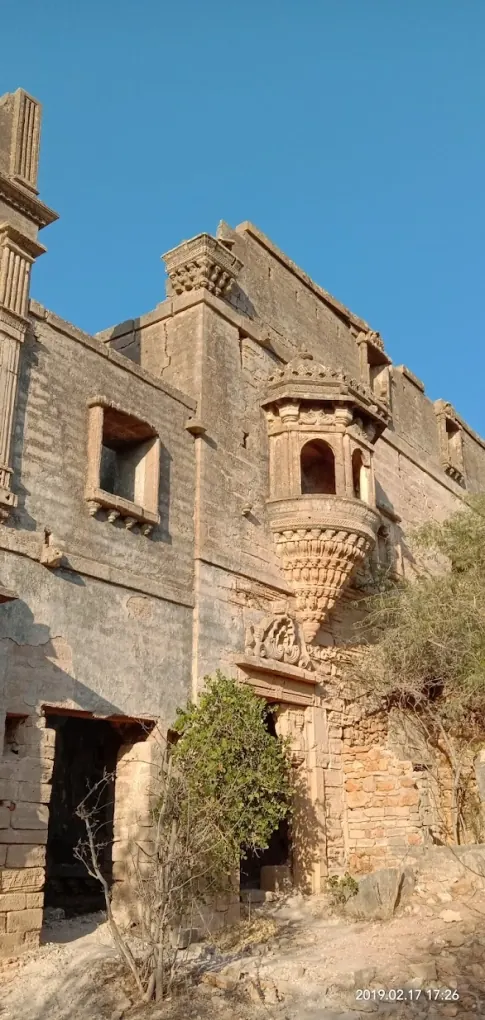
A Ruined Fort With A Royal Legend
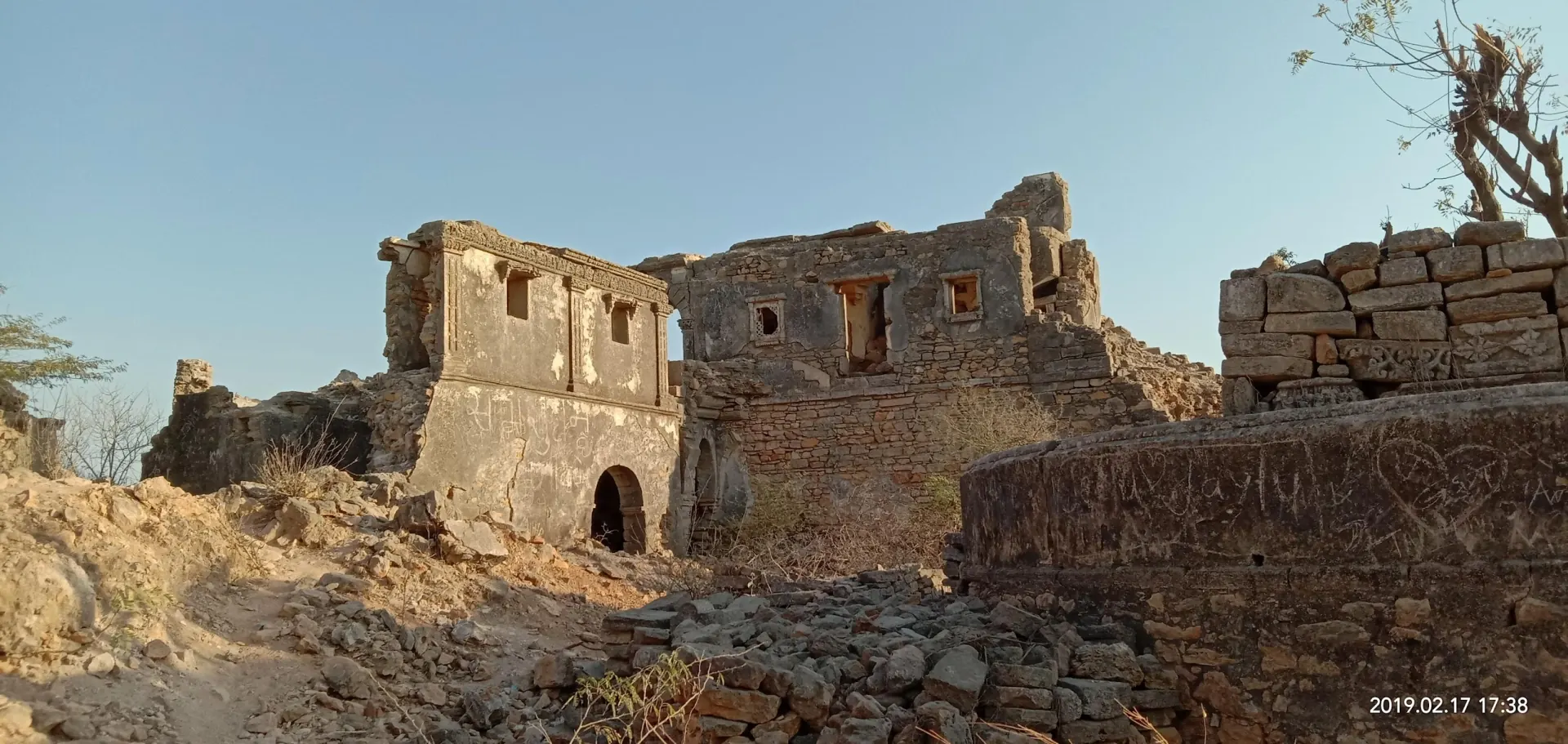
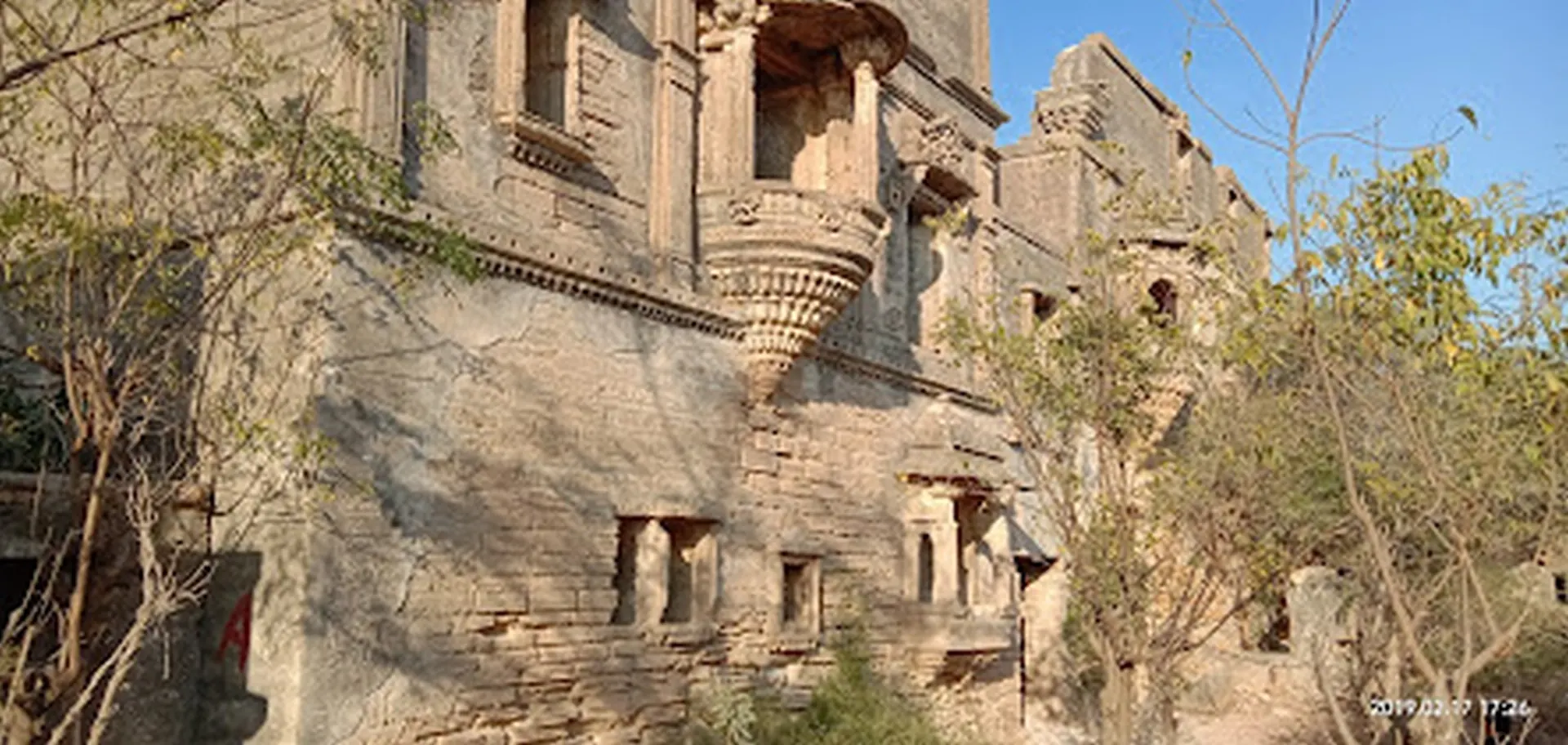
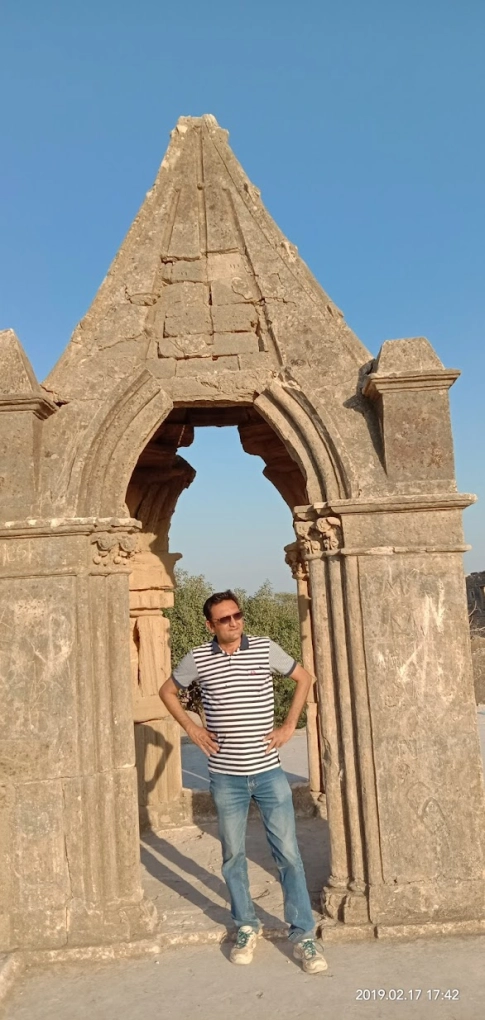
Perched on a hill near Nakhatrana, roughly 50 km from Bhuj, Roha Fort is one of Kutch's lesser-known yet historically rich ruins. Spread across nearly 16 acres and rising about 500 feet above the surrounding plains, the fort was raised from granite stone and lime mortar — materials that have weathered centuries of sun and monsoon to leave behind the evocative ruins seen today.
Local tradition gives Roha a second, more poetic name — Sumari Roha. According to the legend, 120 Soomra Rajput princesses sought refuge here with Abda, the Jagirdar of Abdasa, after he fell in battle against the forces of Alauddin Khalji. The princesses are said to have taken samadhi at this spot, and the place came to be known as "Sumari Roha" in their memory.
The settlement itself traces back to Sahebji, brother of Rao Khengarji I (1510–1585), who founded Roha village before dying in battle against Raysinhji Zala. His successor Jiyaji built two large water tanks here, and Jiyaji's son, Thakore Noganji, raised the fort that crowns the hill today. At its peak, Roha presided over a jagir of nearly 52 villages — and its peaceful, bird-filled hillside later drew the Kutchi poet Kalapi, who composed romantic verses here.
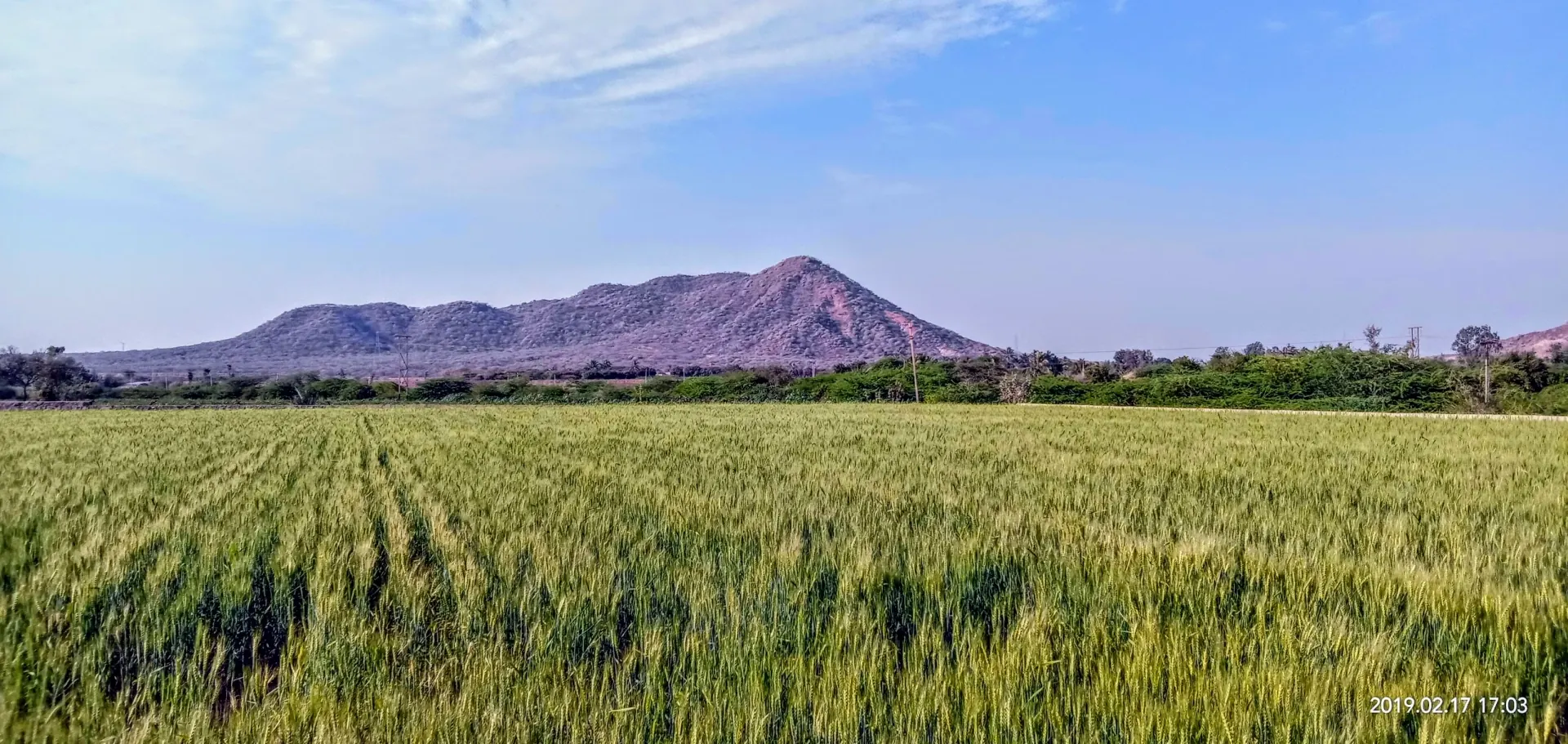
How to Reach
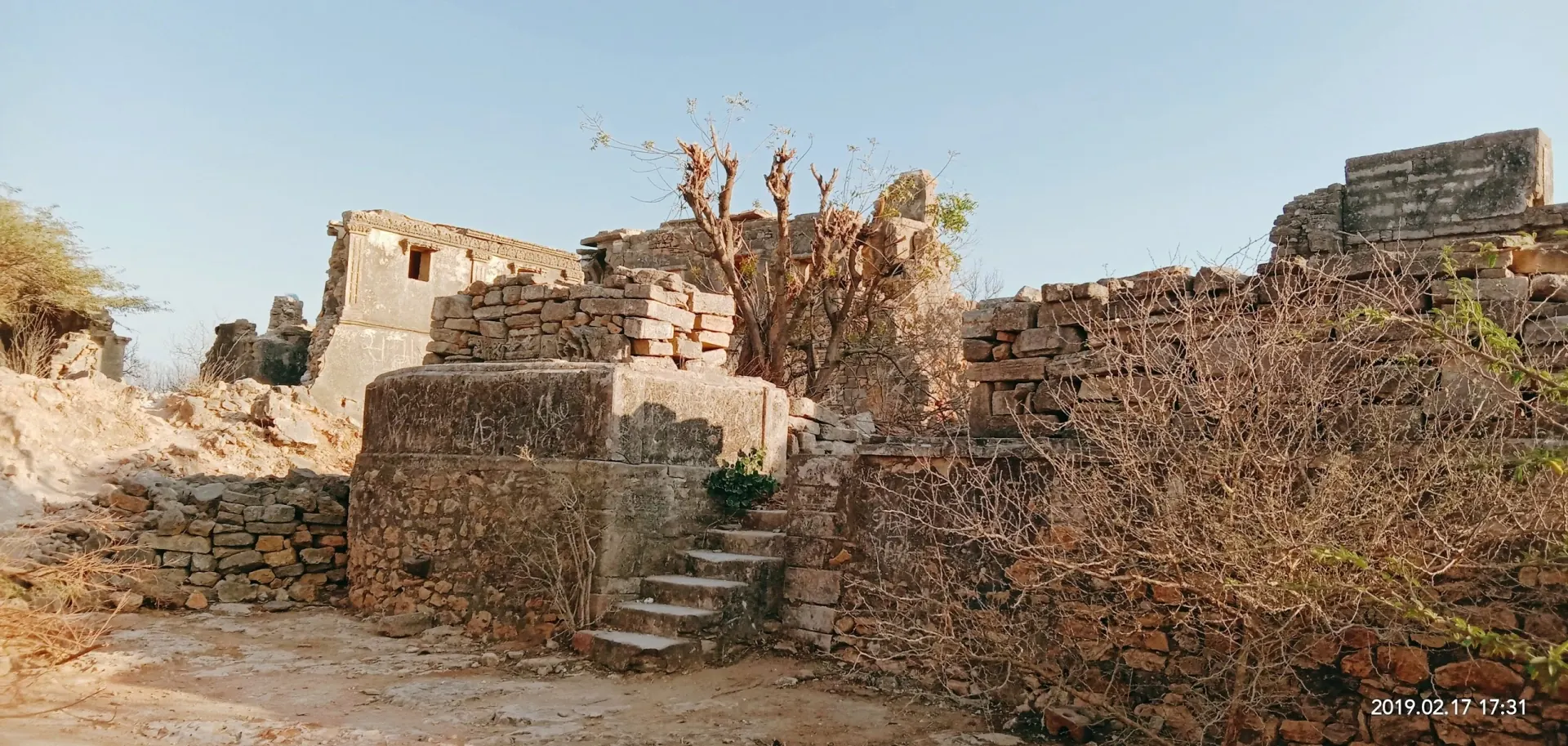
What To Do Here
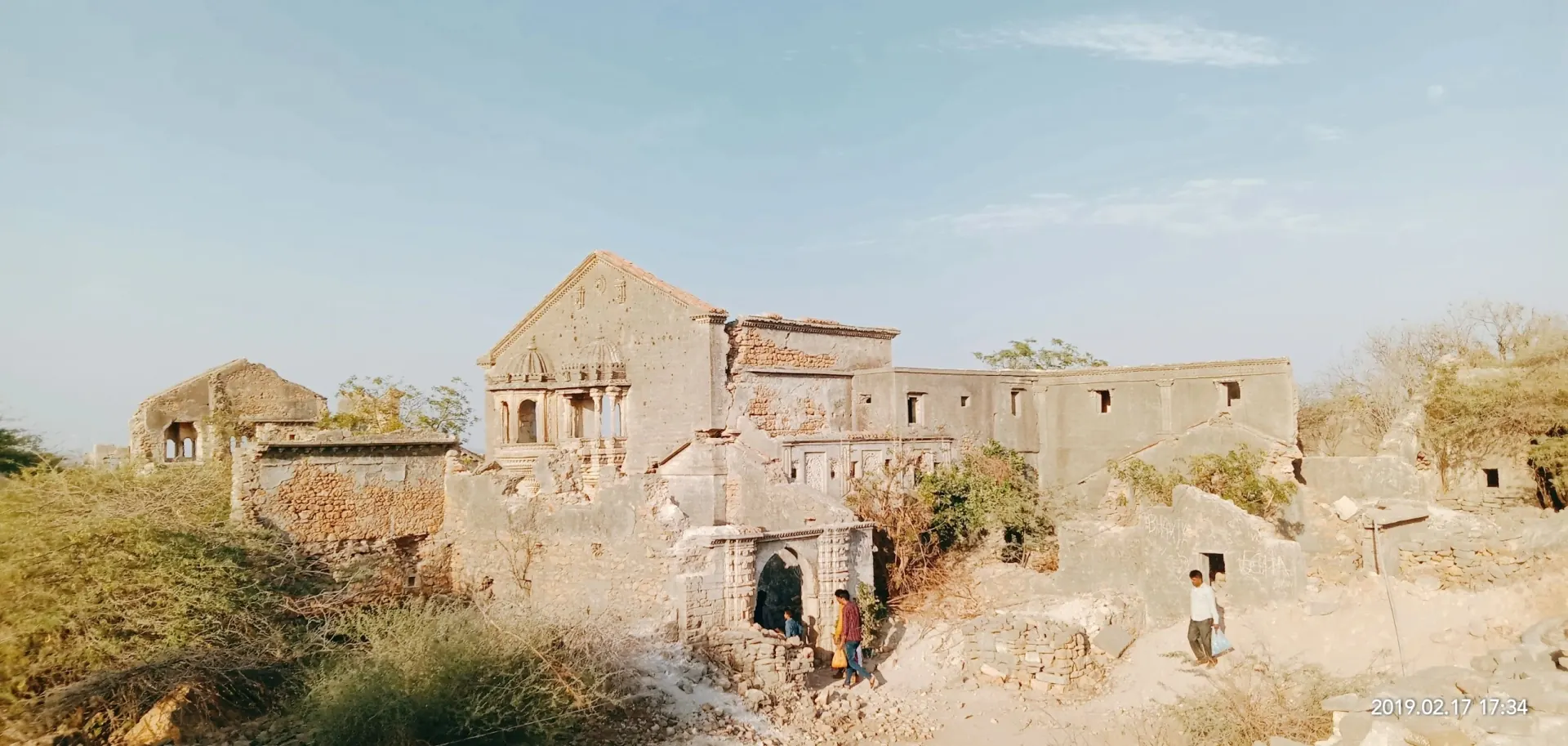
Best Time to Visit
October to February (Winter): Cool, comfortable weather makes this the best window for the hill climb and exploring the ruins at a relaxed pace.
July to September (Monsoon): The hillside turns green and the peacocks that once inspired poet Kalapi are at their liveliest — a beautiful, if muddier, season to visit.
March to June (Summer): Visitable, but the open hillside gets very hot by midday — plan an early morning visit instead.
Practical Tips
Nearby Destinations
Narayan Sarovar & Koteshwar
One of Hinduism's sacred lakes paired with a coastal Shiva temple, a short drive from Roha within Nakhatrana taluka.
Lakhpat
A walled, half-abandoned fort town on the Kori Creek — one of Kutch's most atmospheric heritage stops.
Kutch Bustard Bird Watching Site
A protected grassland near Nakhatrana for the rare Great Indian Bustard — a fitting follow-up to Roha's own birdlife.
Roha Fort Gallery
Granite ramparts, hill views, and the quiet ruins of Sumari Roha
Road to Roha Fort
Roha Fort Ruins
Hilltop View
Stonework Detail
Panoramic View
Combine Nearby
Make It A Nakhatrana Heritage Day
Roha Fort pairs well with a day spent exploring the wider Nakhatrana belt — sacred lakes, coastal temples, and quiet bird country.
Explore Narayan Sarovar